|
| |||||||||||||||||||||||||||||||||||||||||||||||||||||||||||||||||||||||||||||||||||||||||||||||||||||||||||||||||||||||||||||||||||||||||||||||||||||||||||||||||||||||||||||||||||||||||||||||||||||||||||||||||||||||||||||||||||||||||||||||||||||||||||||||||||||||||||||||||||||||||||||||||||||||||||||||||||||||||||||||||||||||||||||||||||||||||||||||||||||||||||||||||||||||||||||||||||||||||||||||||||||||||||||||||||||||||||||||||||||||||||||||||||||||||||||||||||||||||||||||||||||||||||||||||||||||||||||||||||||||||||||||||||||||||||||||||||||||||||||||||||||||||||||||||||||||||||||||||||||||||||||||||||||||||||||||||||||||||||||||||||||||||
Jason Kendall, William Paterson University
https://www.wpunj.edu/cosh/departments/physics/faculty/Kendall.html
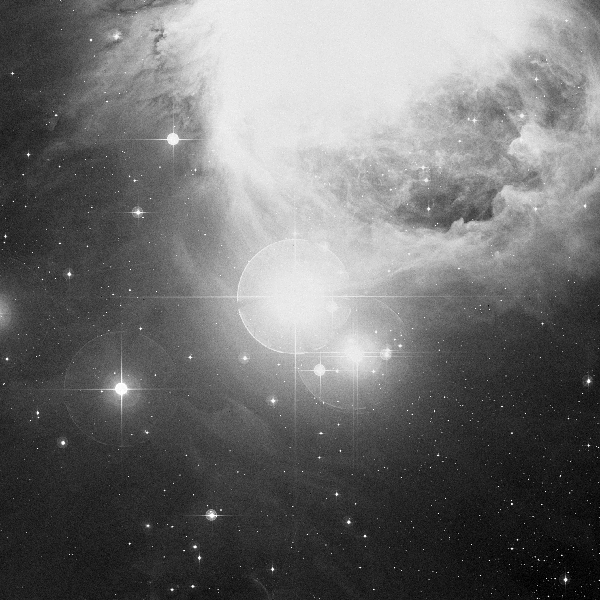
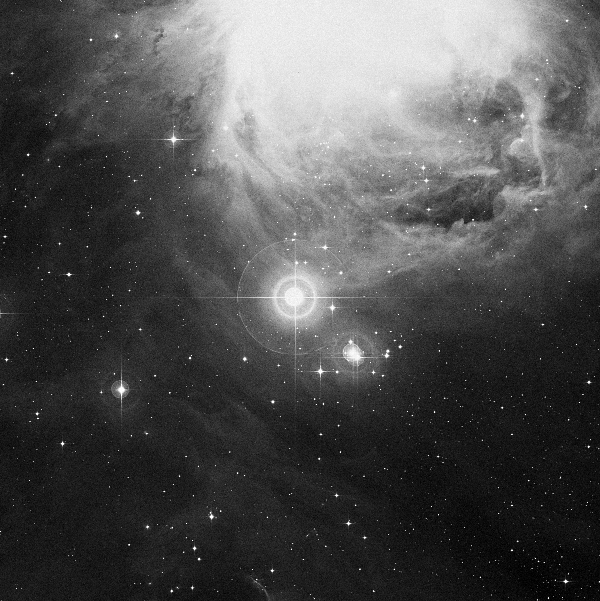
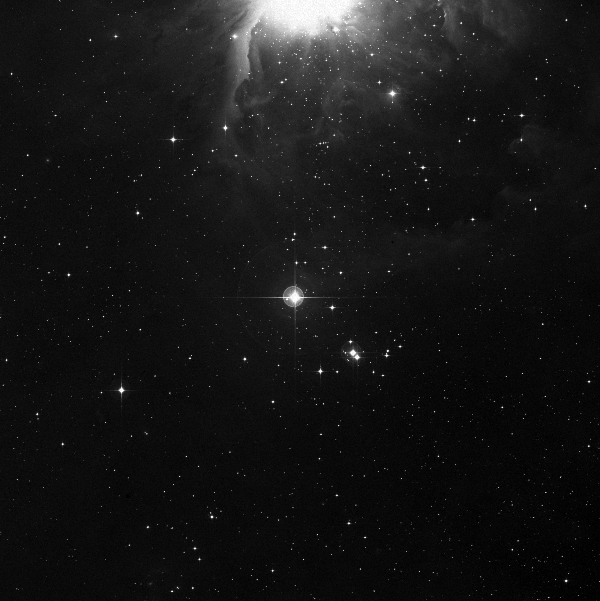
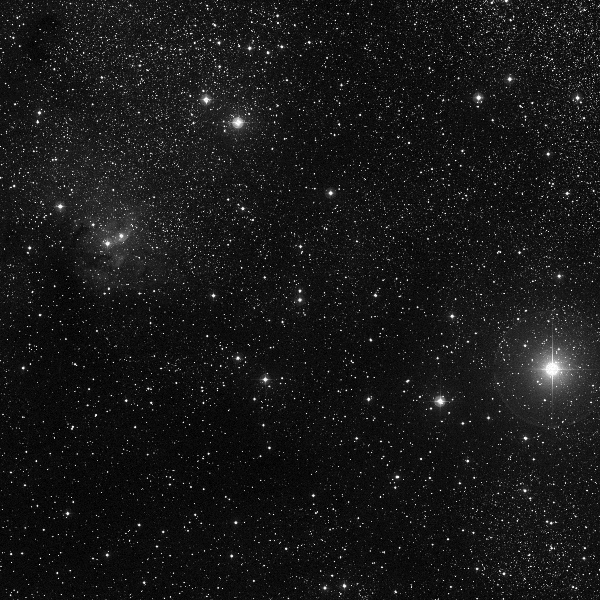
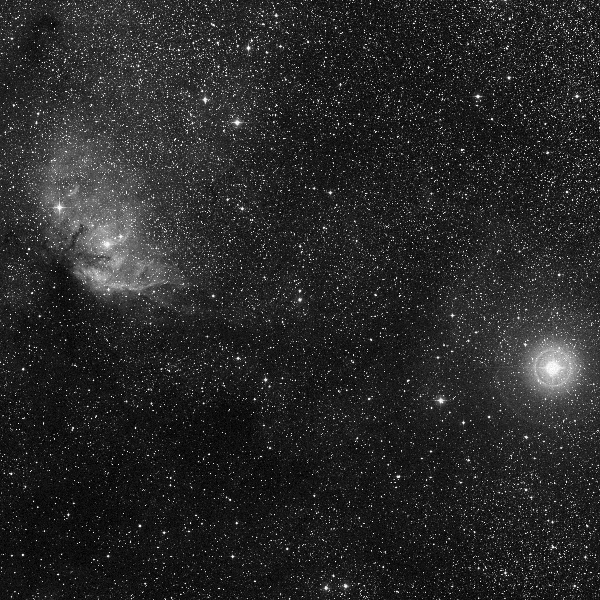
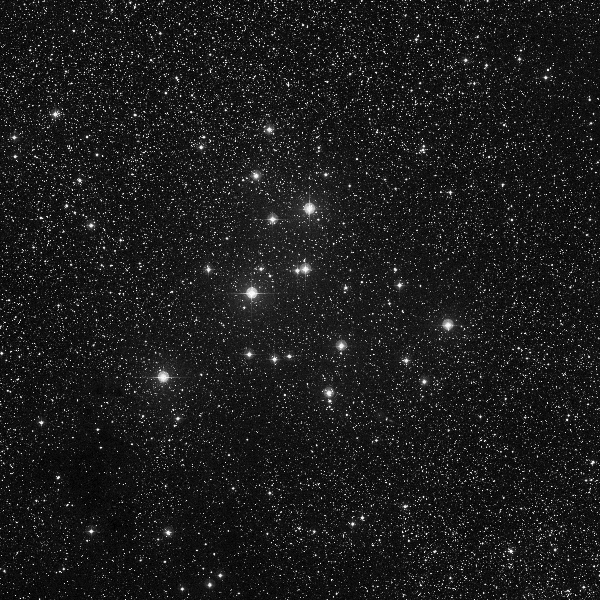
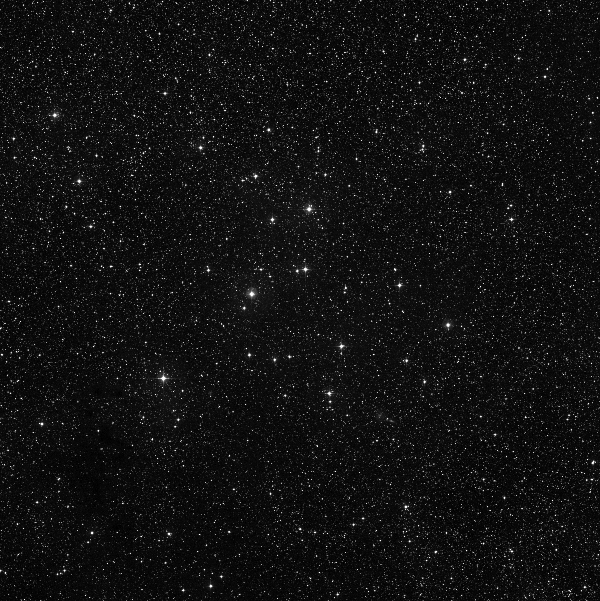
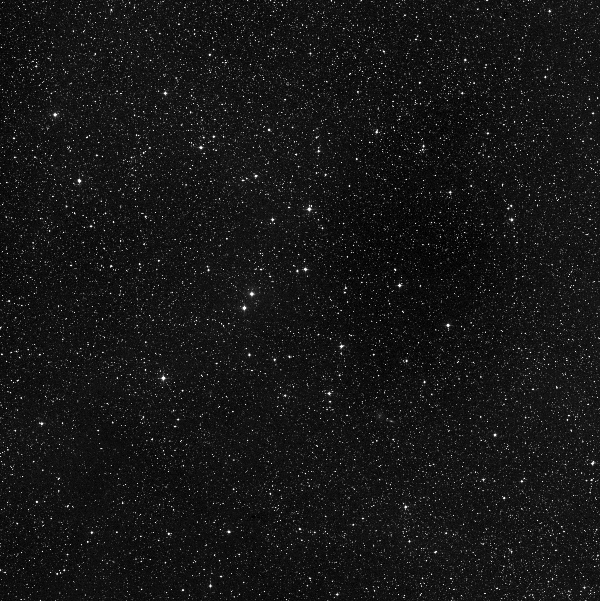
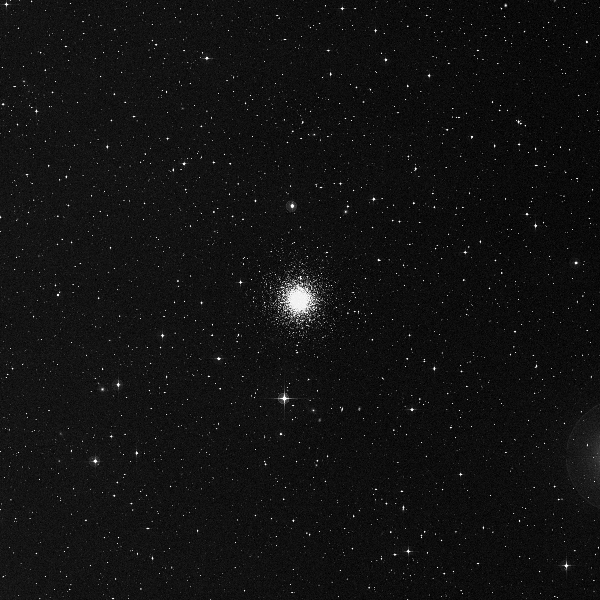
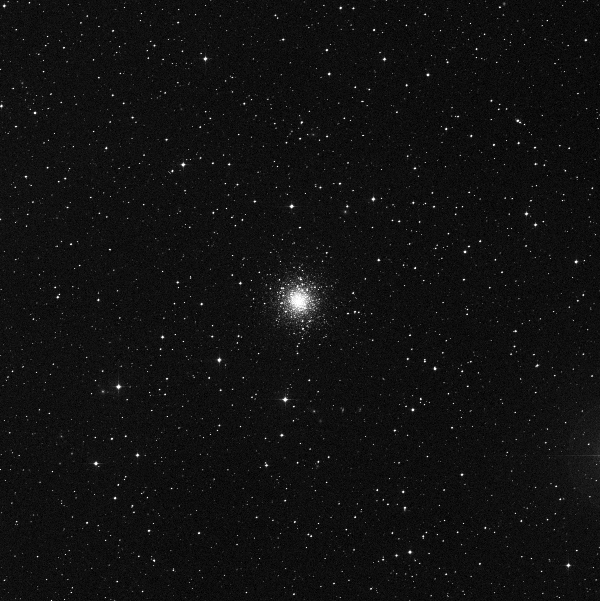
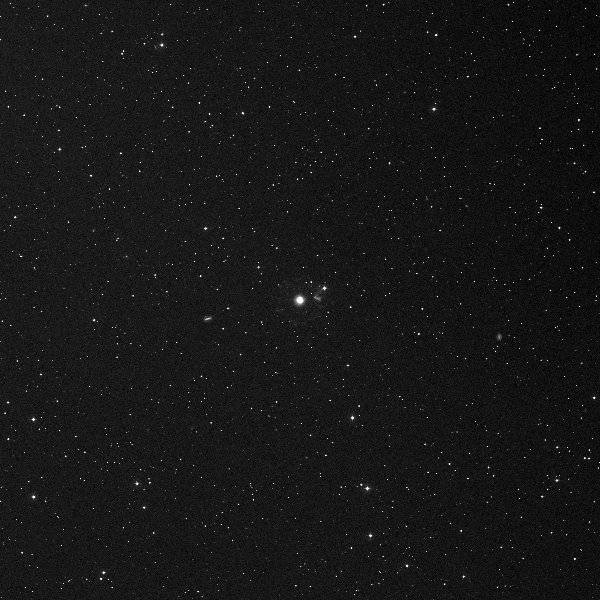
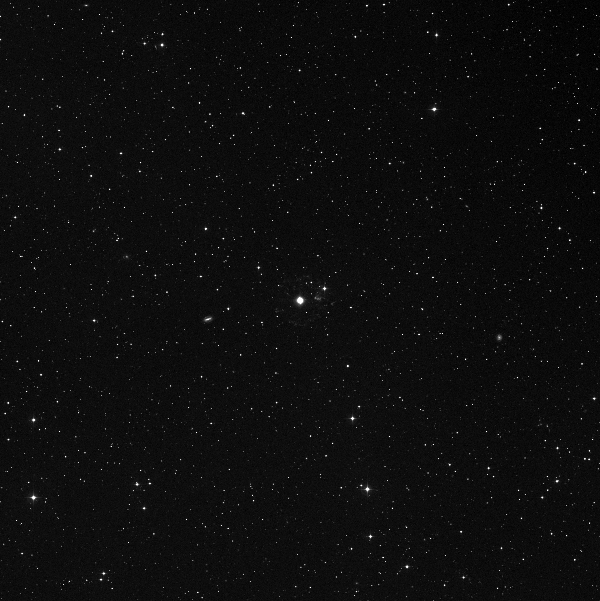
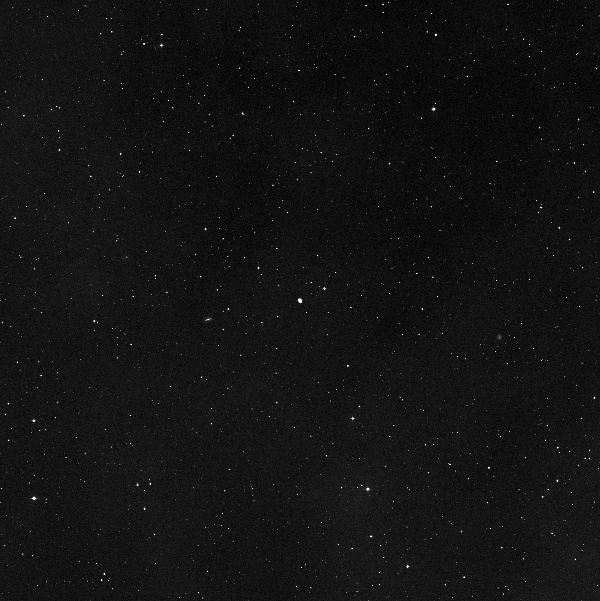
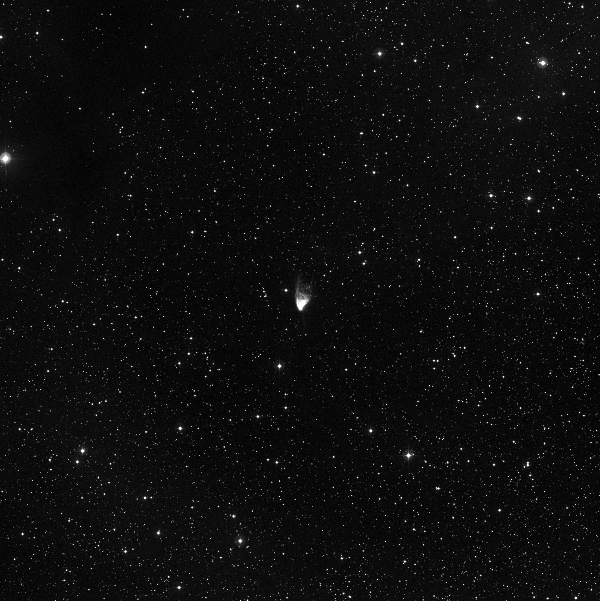
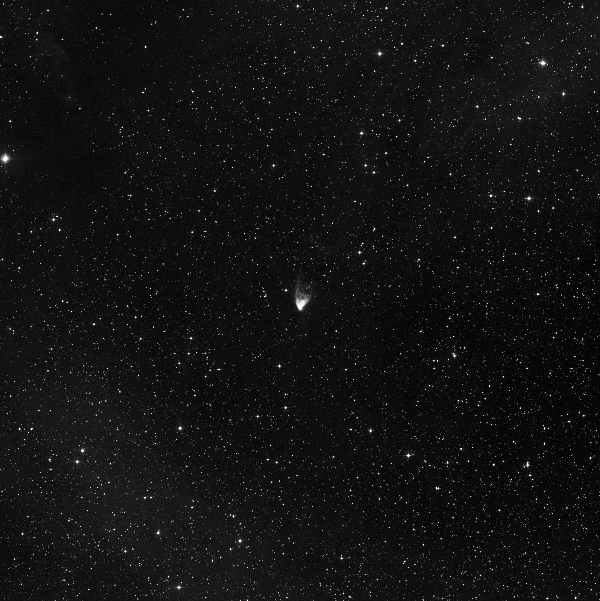
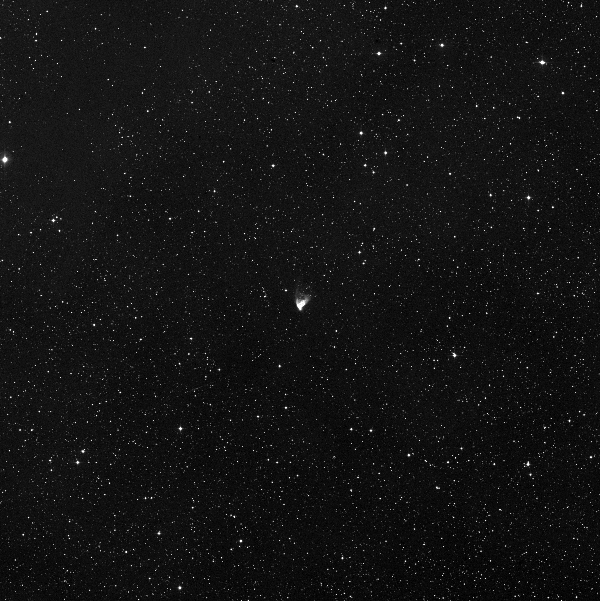
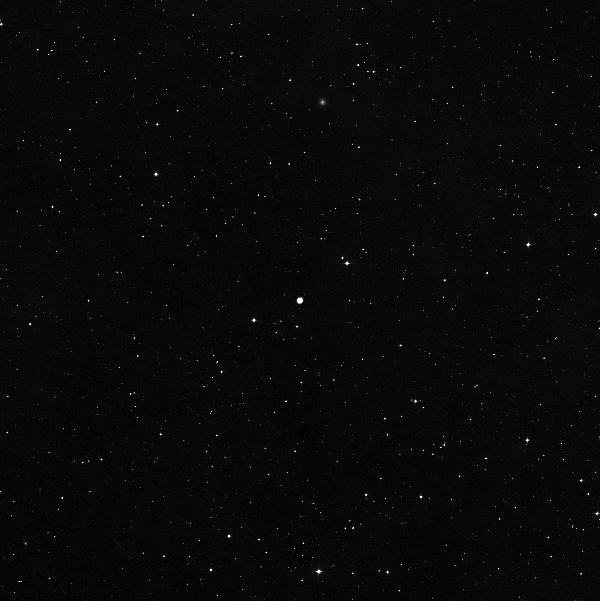
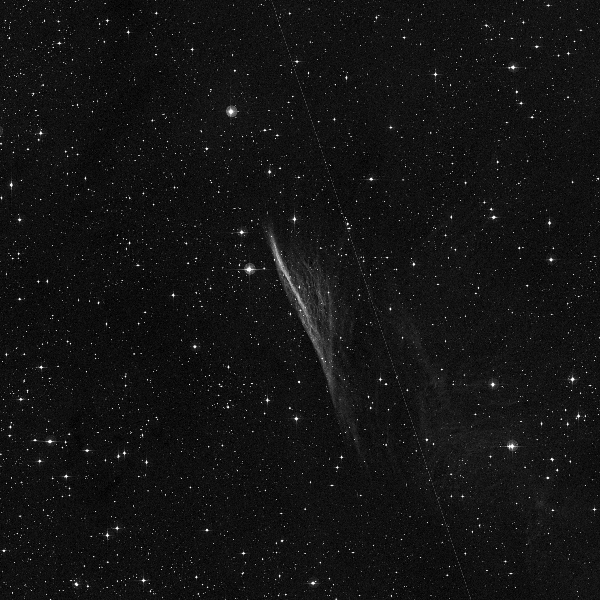
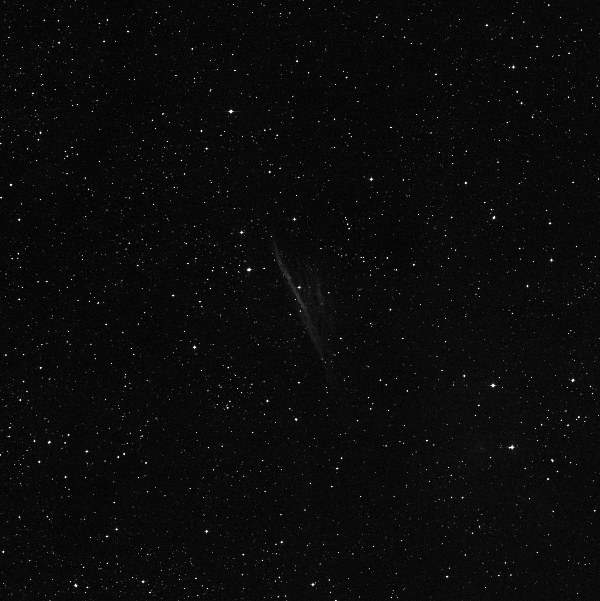
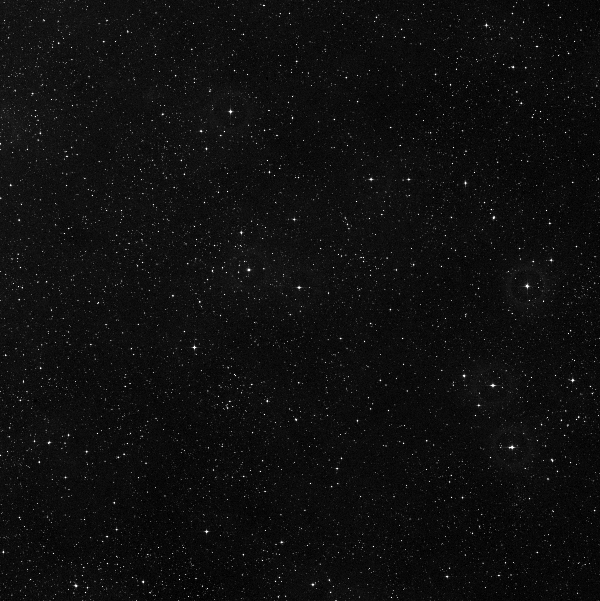
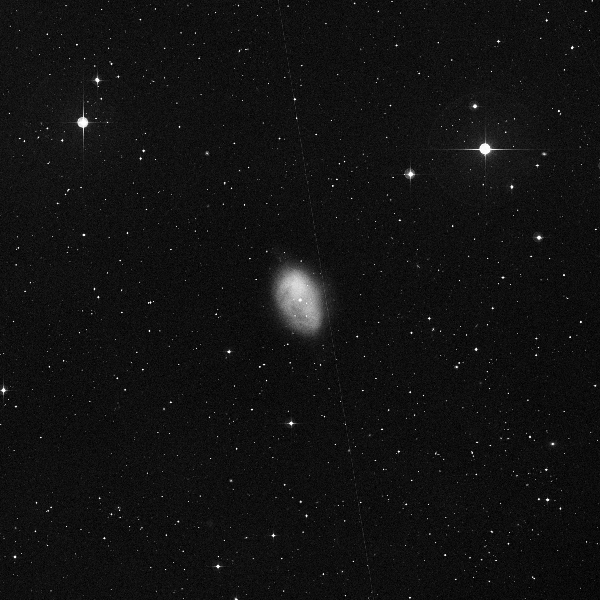
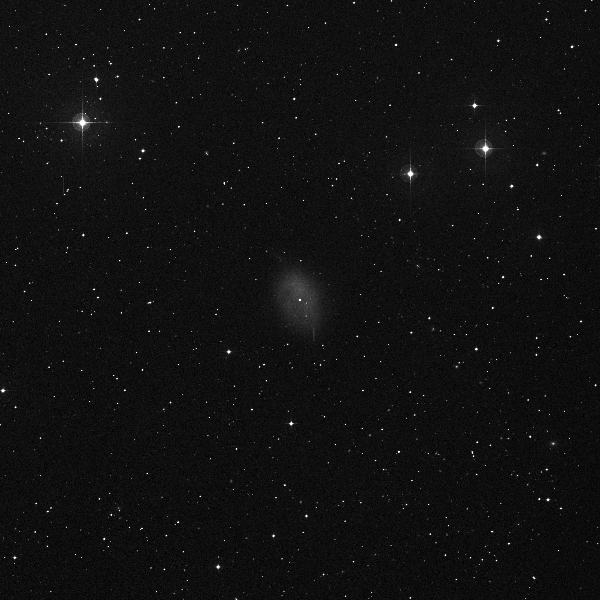
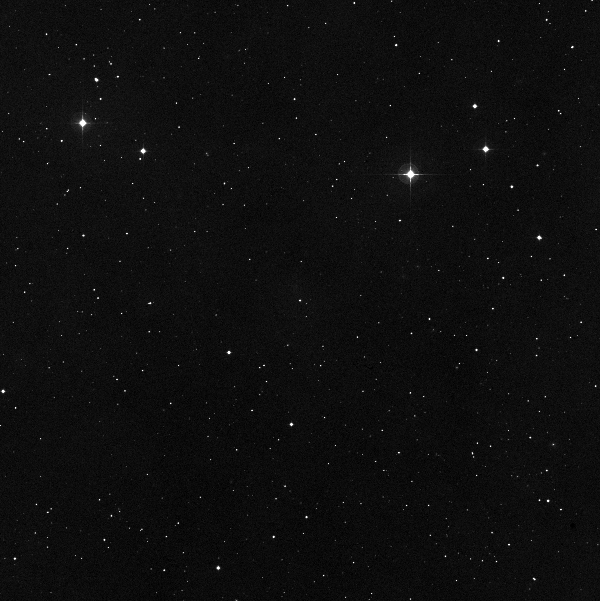
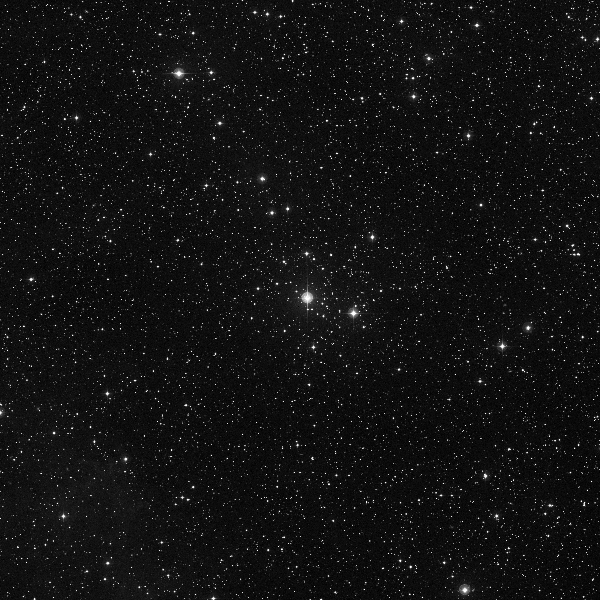
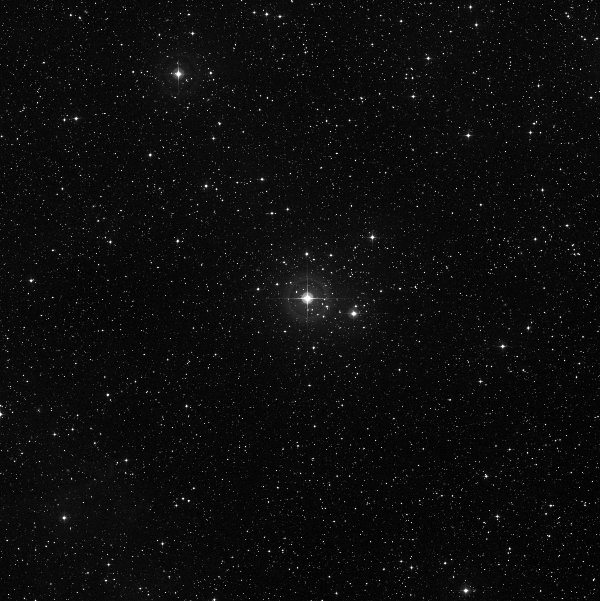
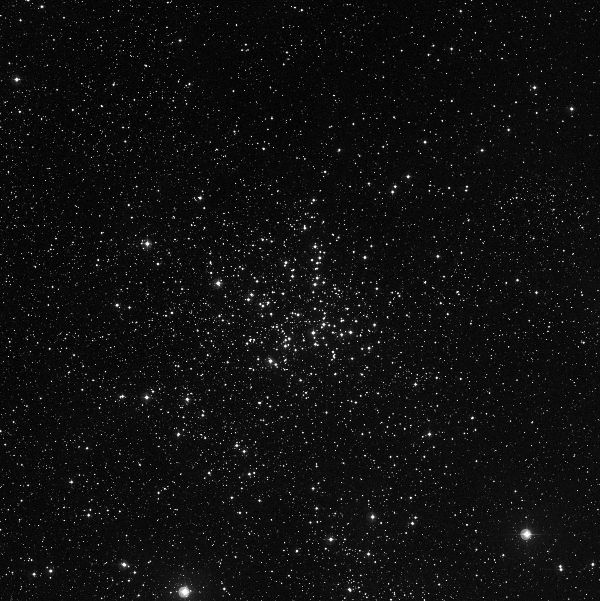
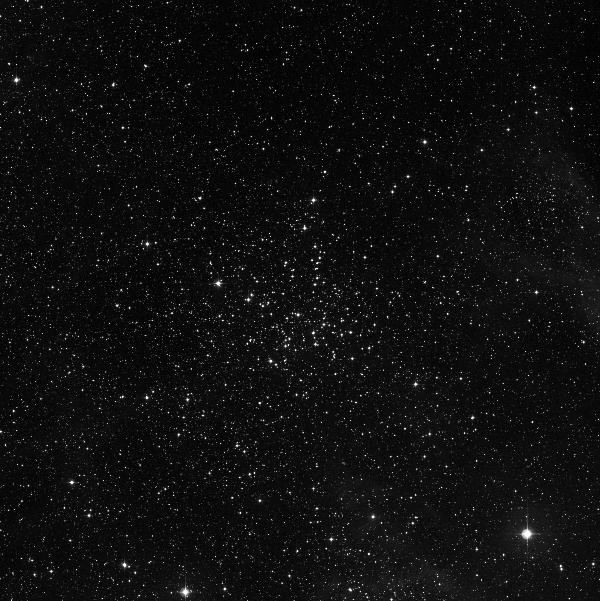
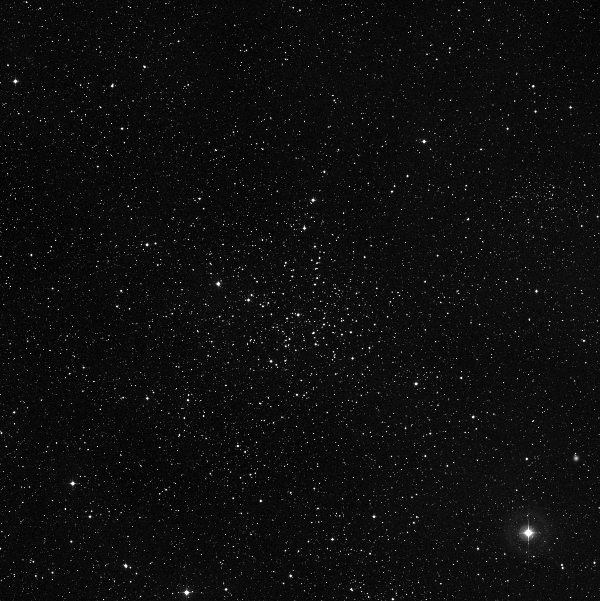
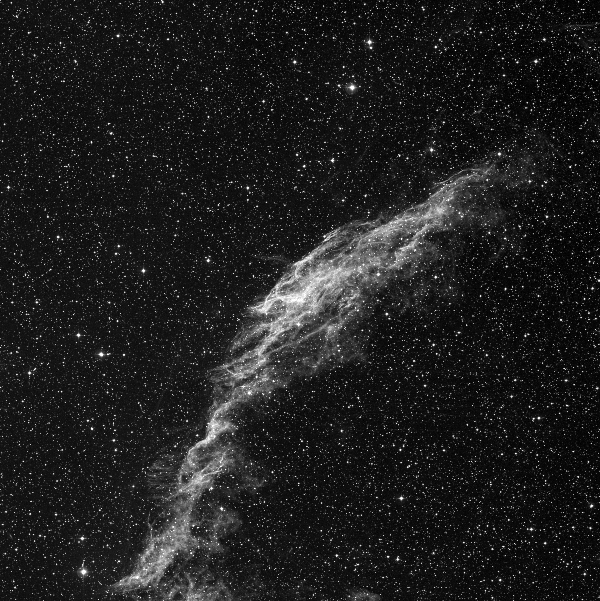
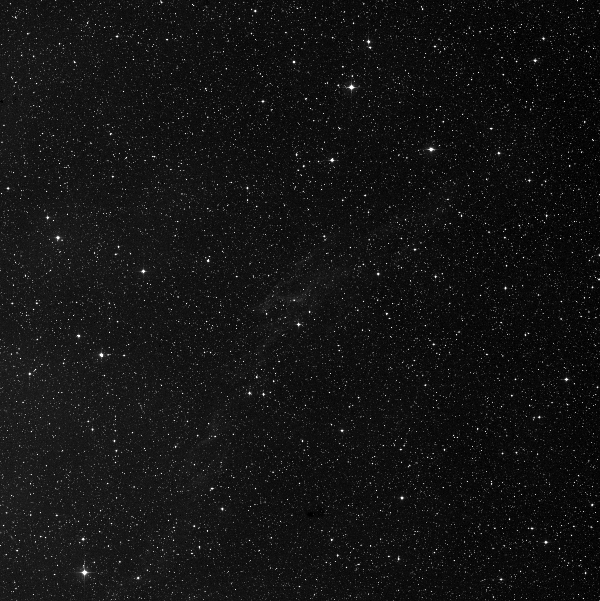
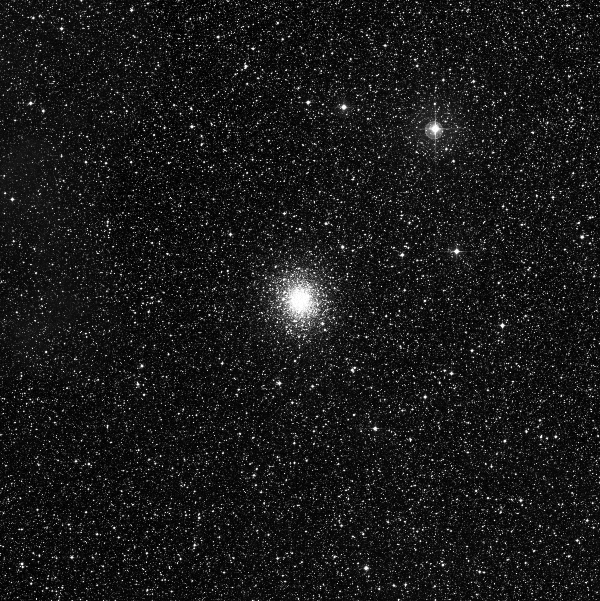
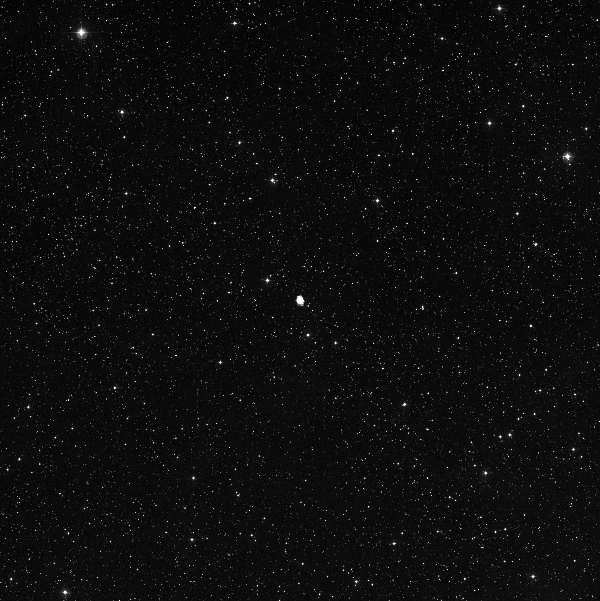
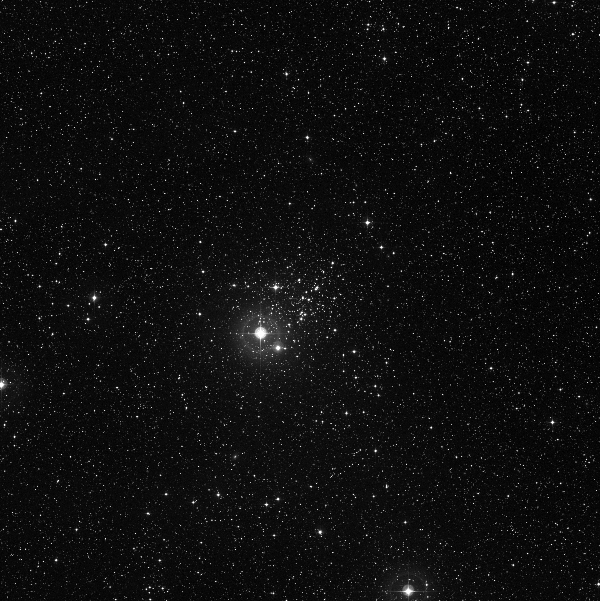
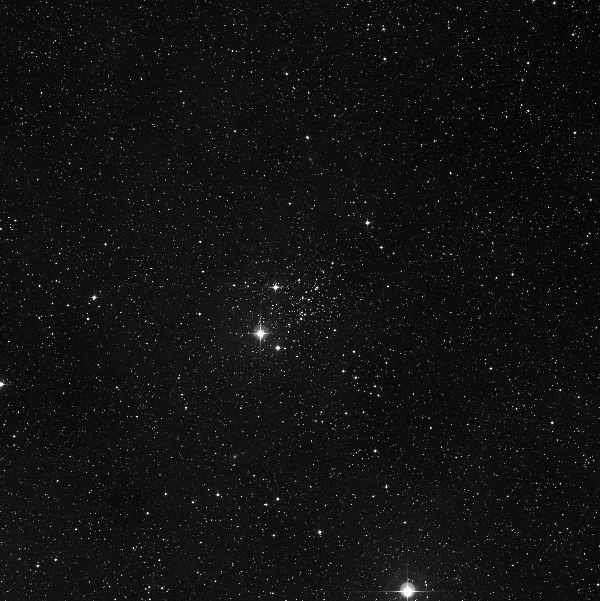
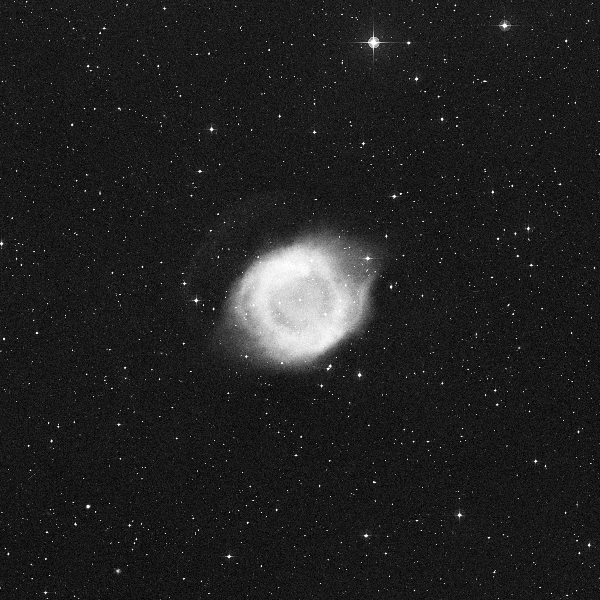
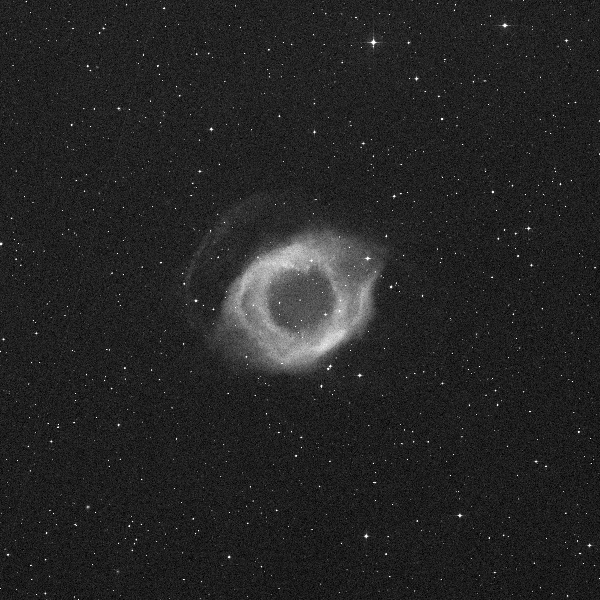
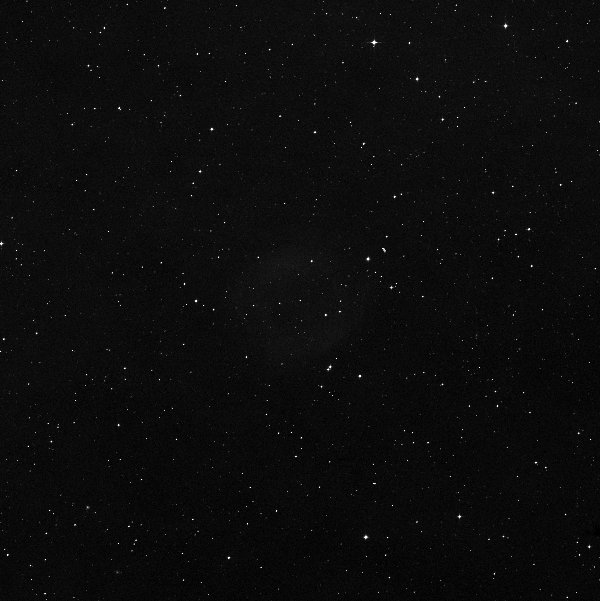
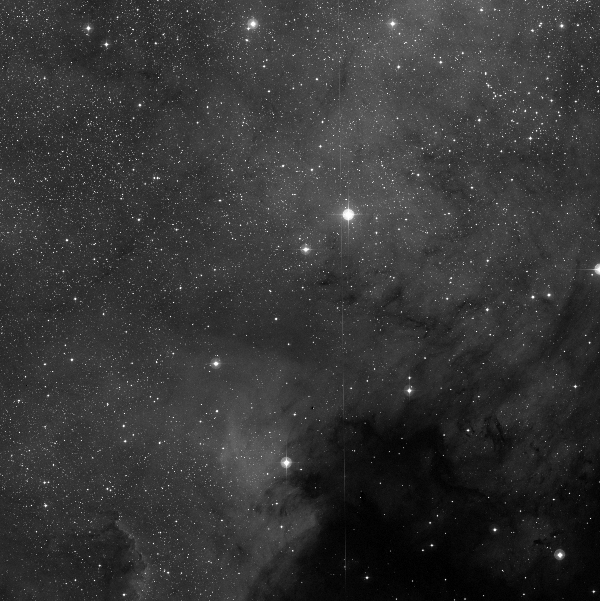
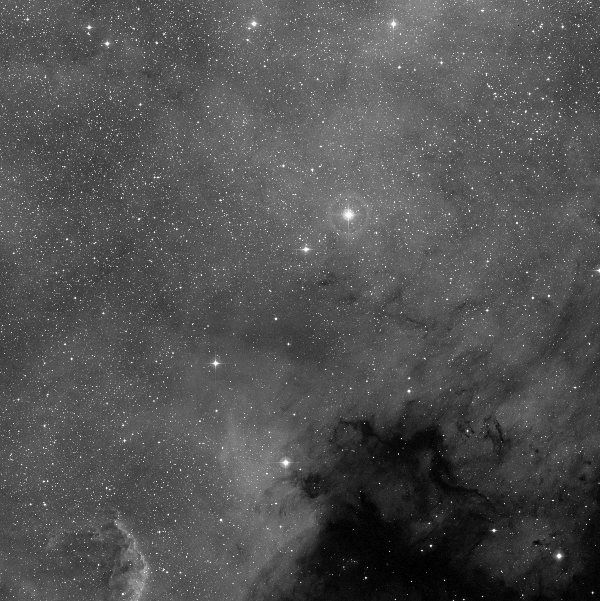
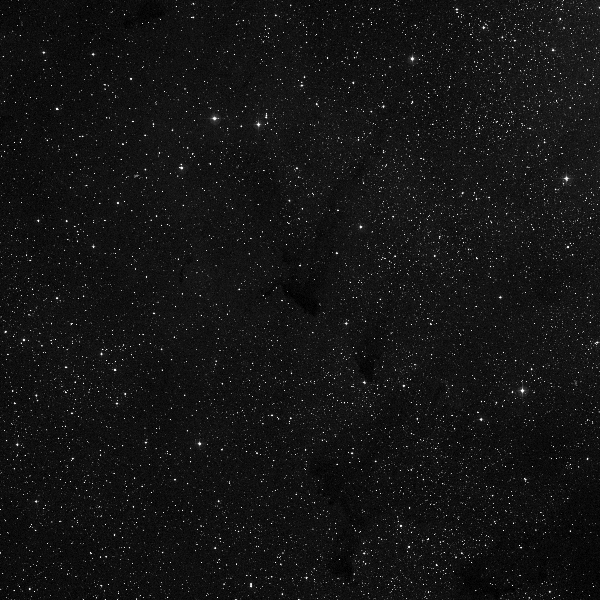
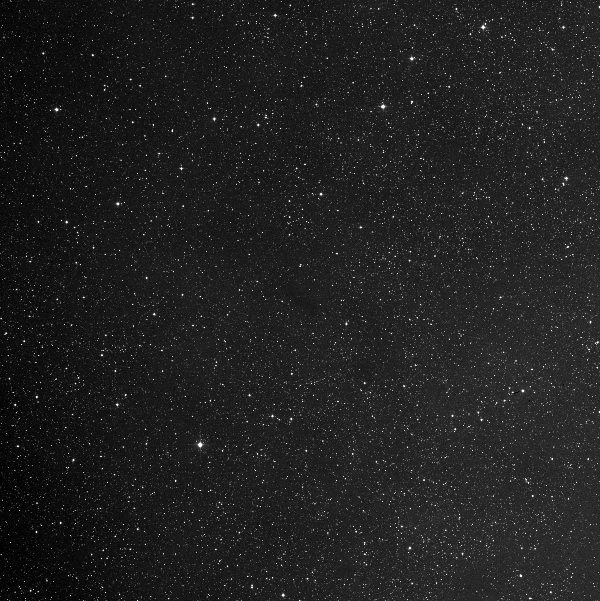
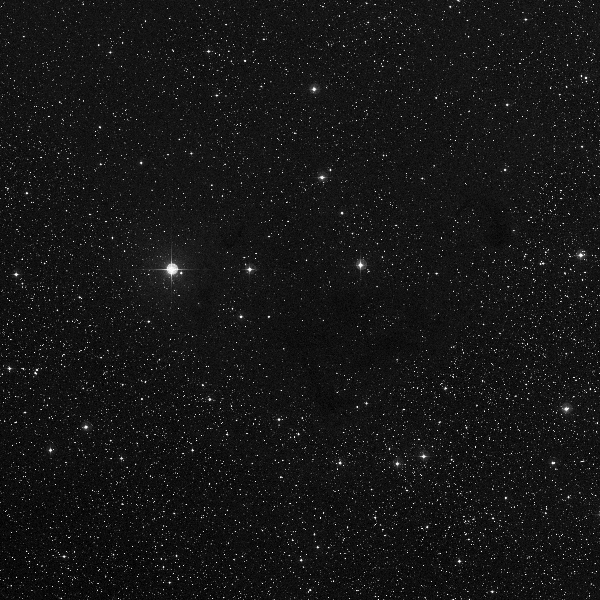
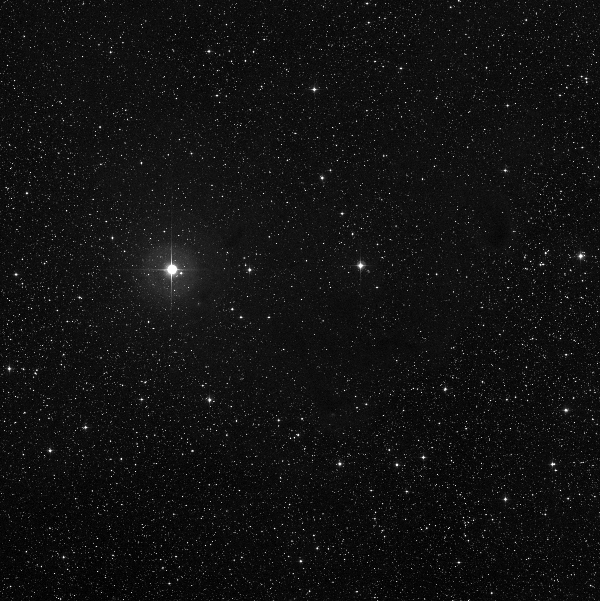
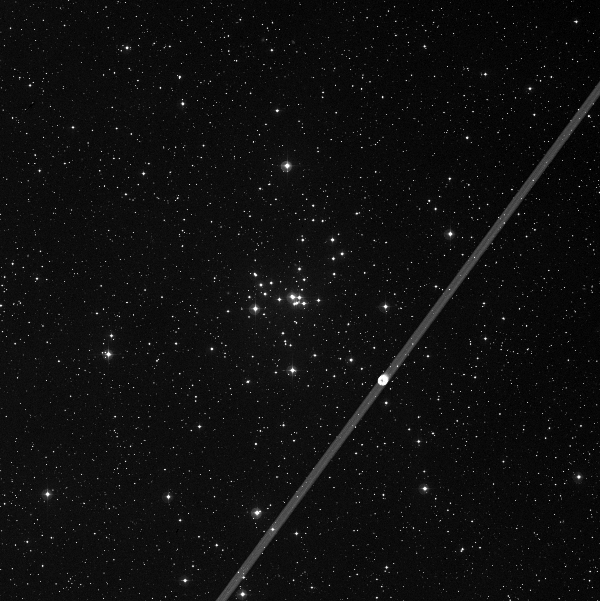
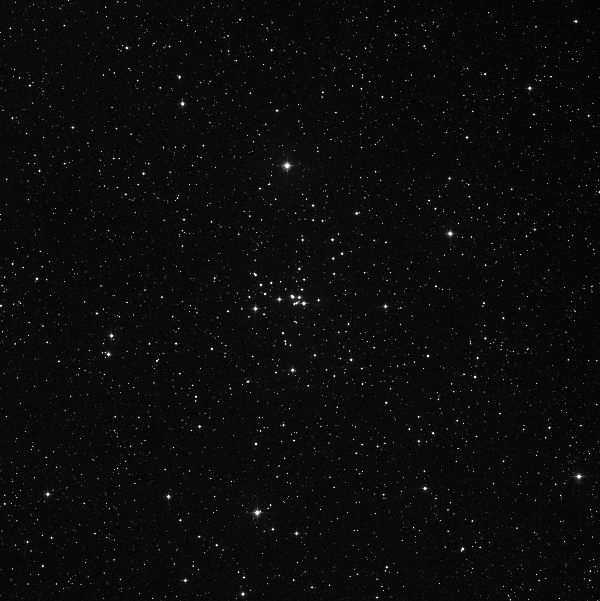
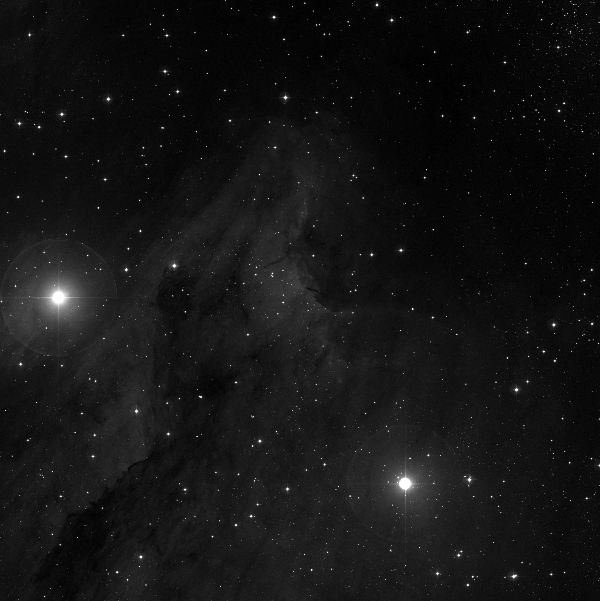
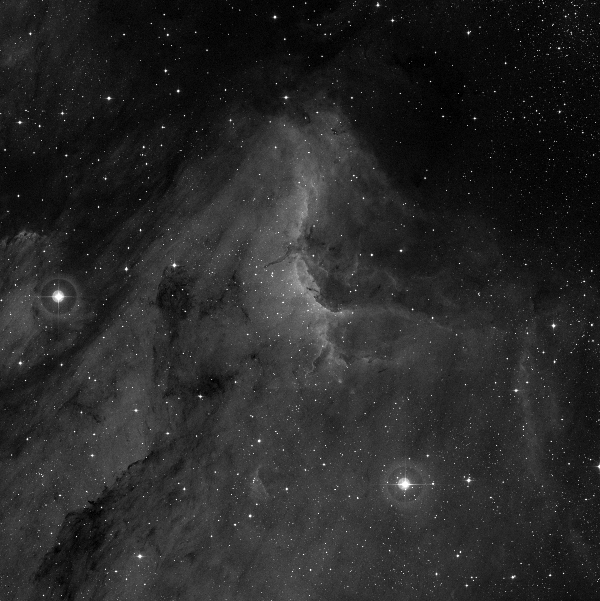
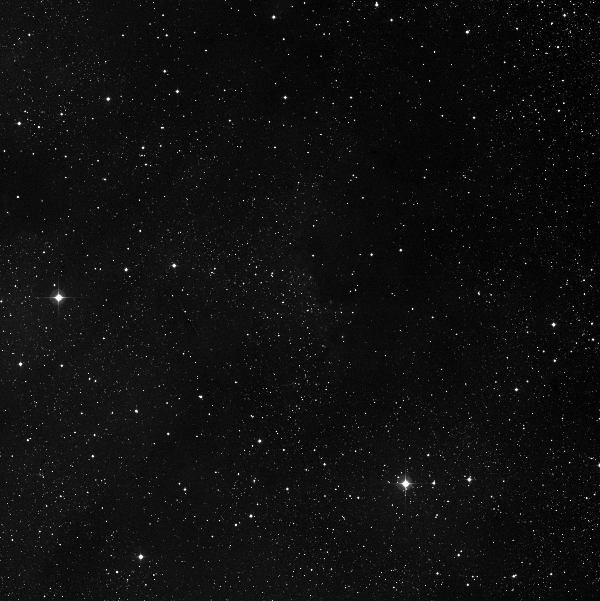
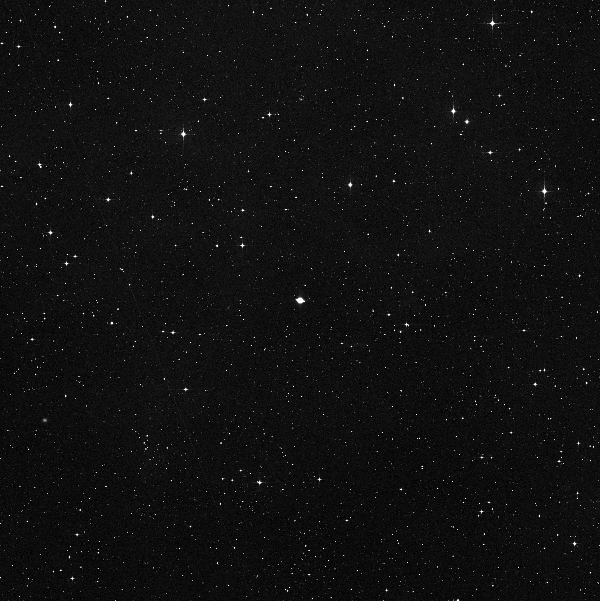
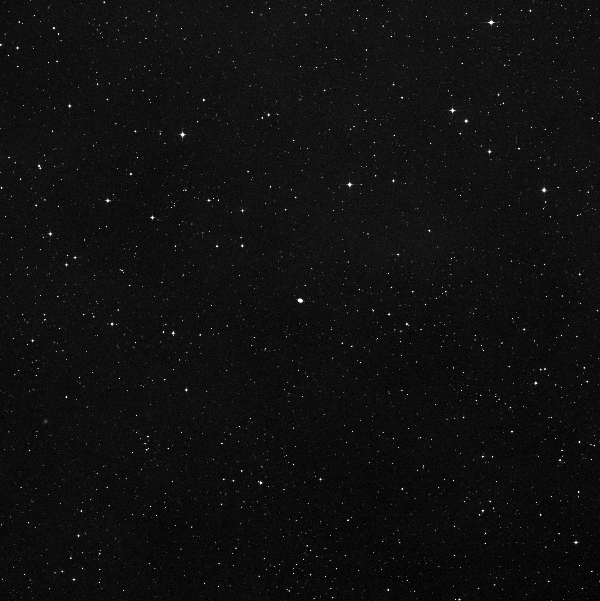
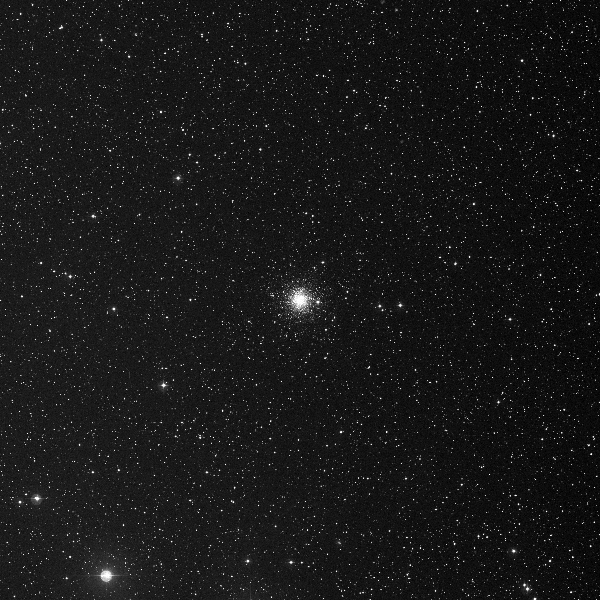
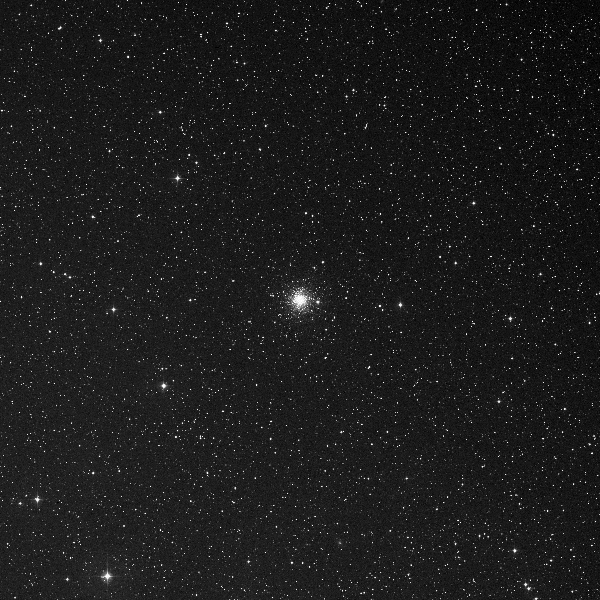
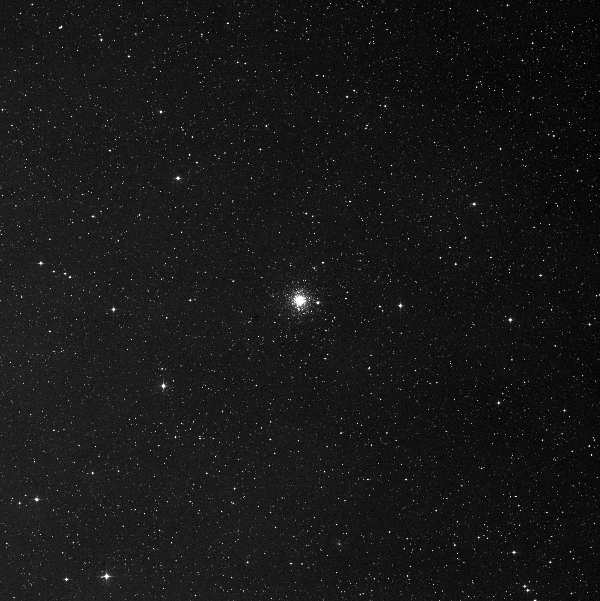
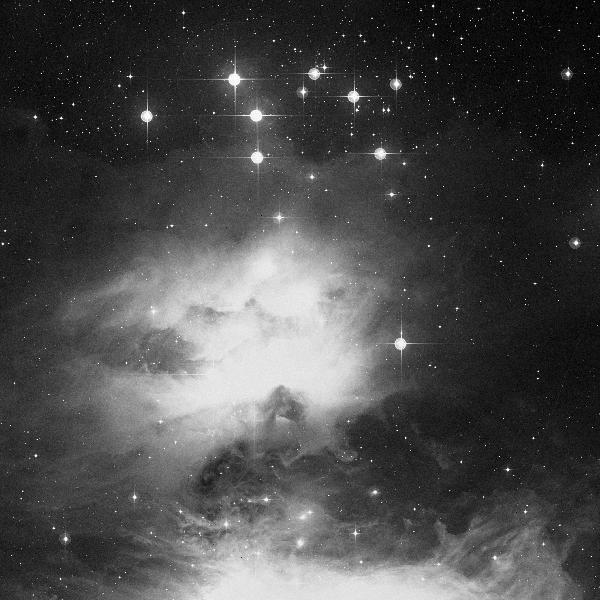
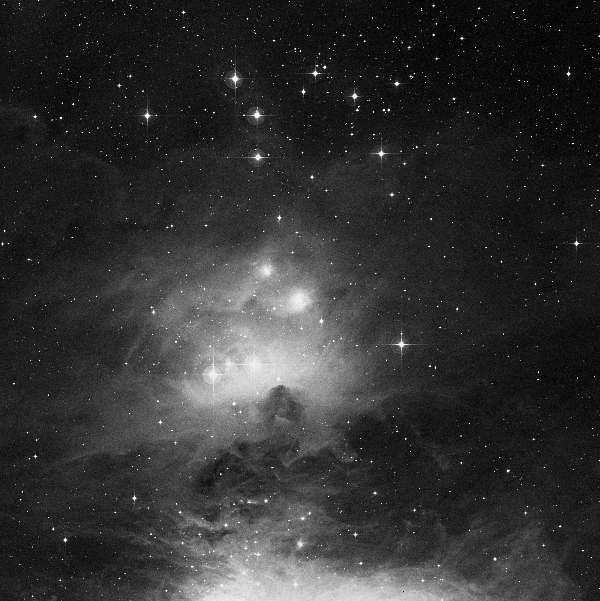
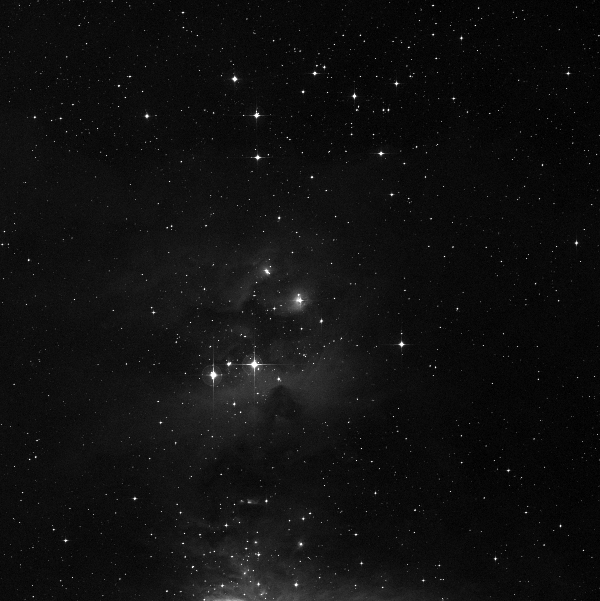
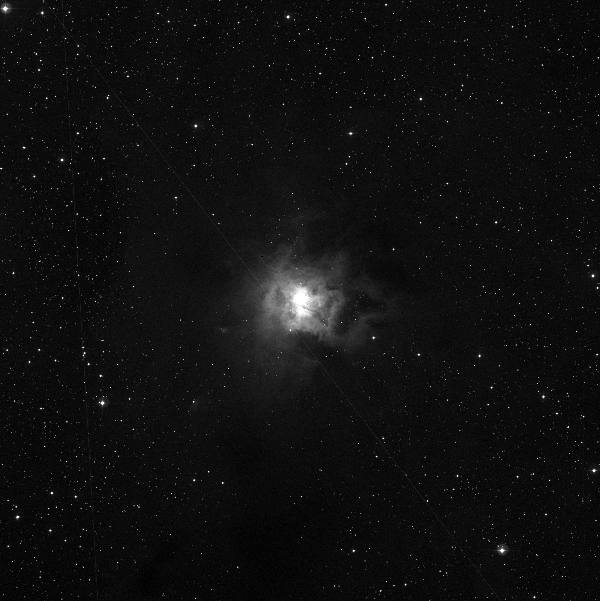
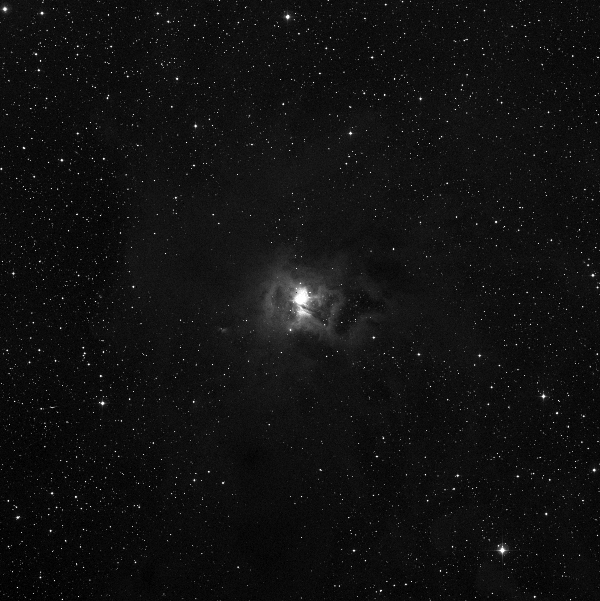
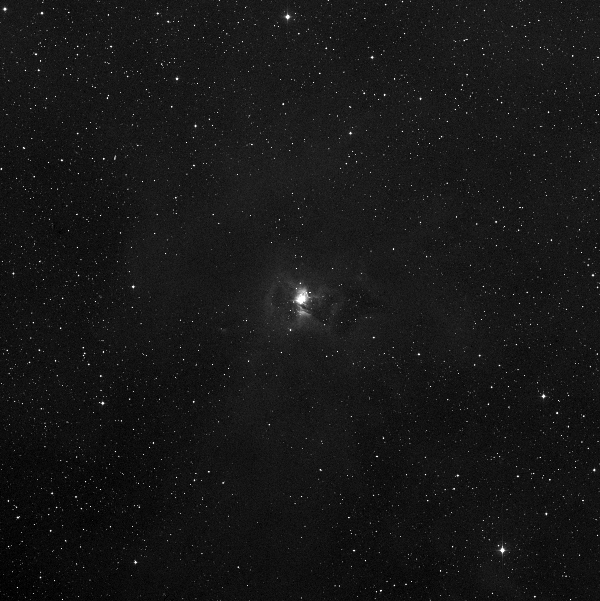
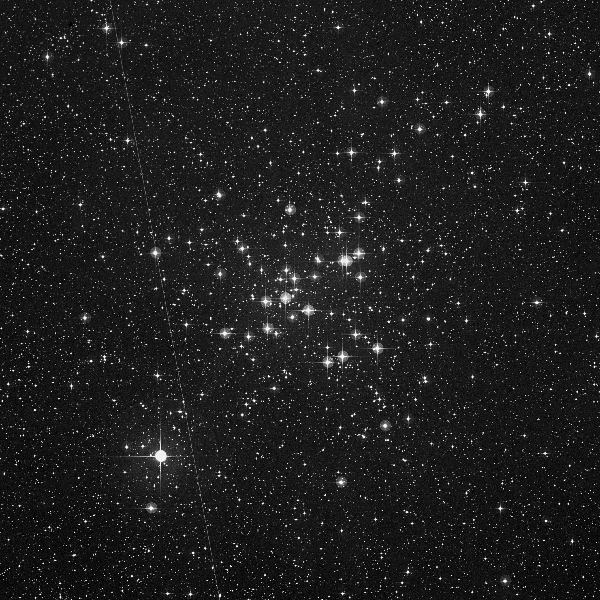
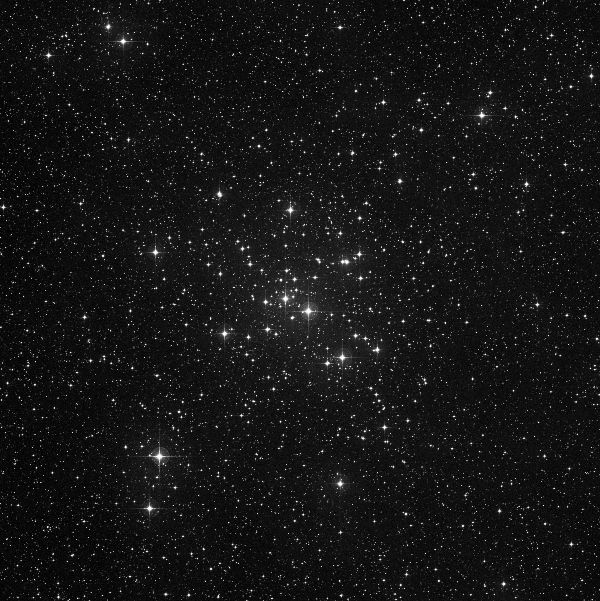
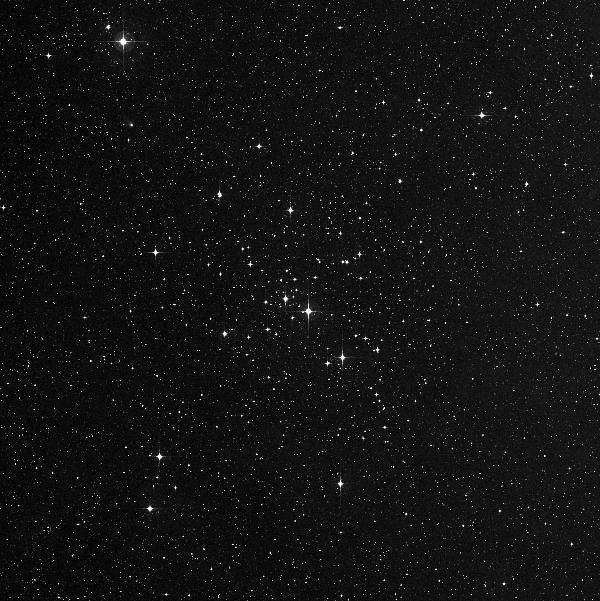
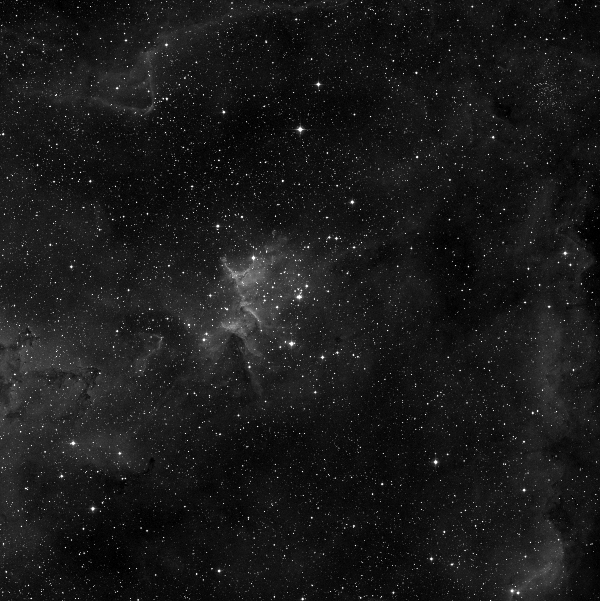
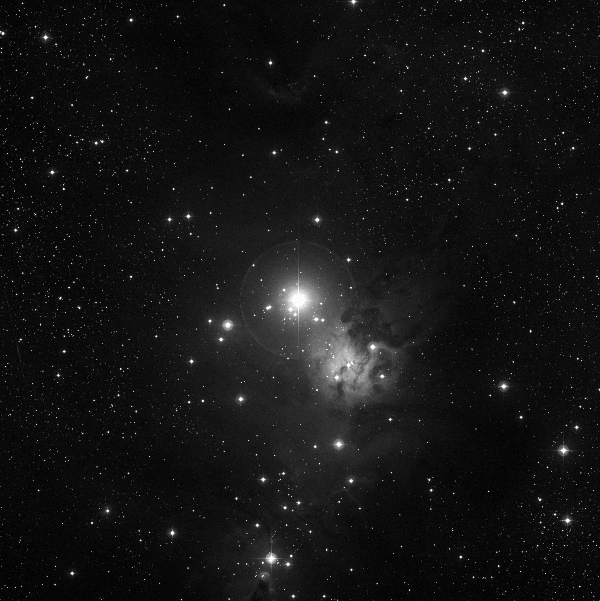
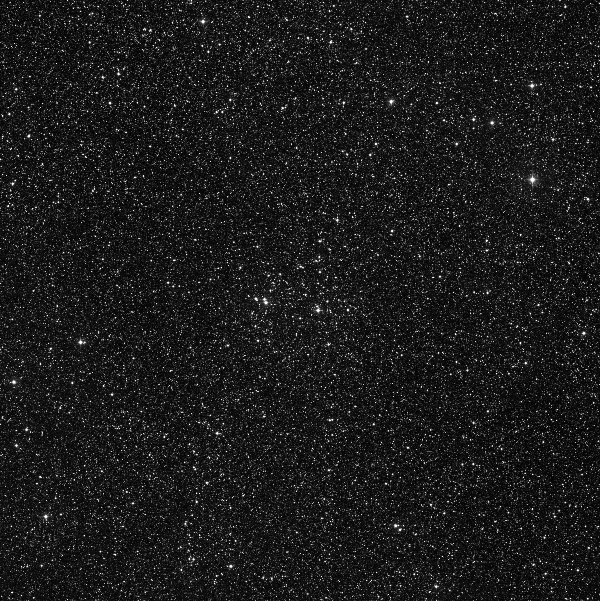
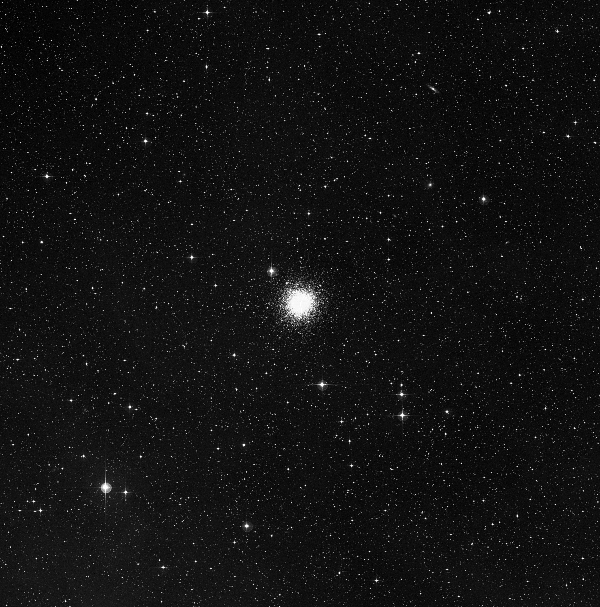
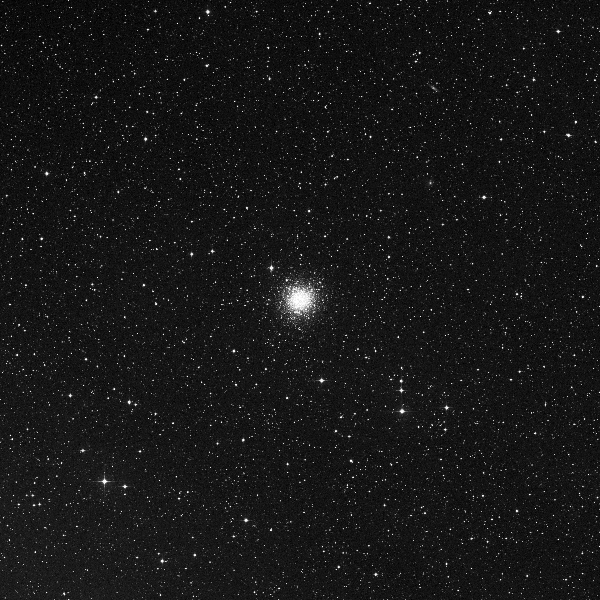
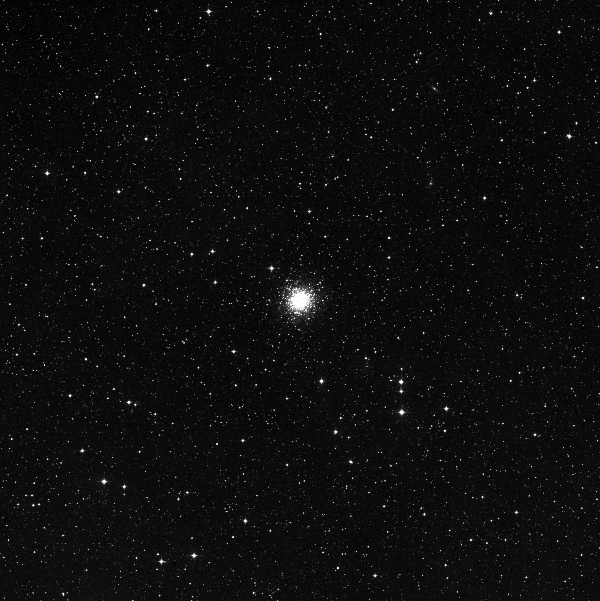
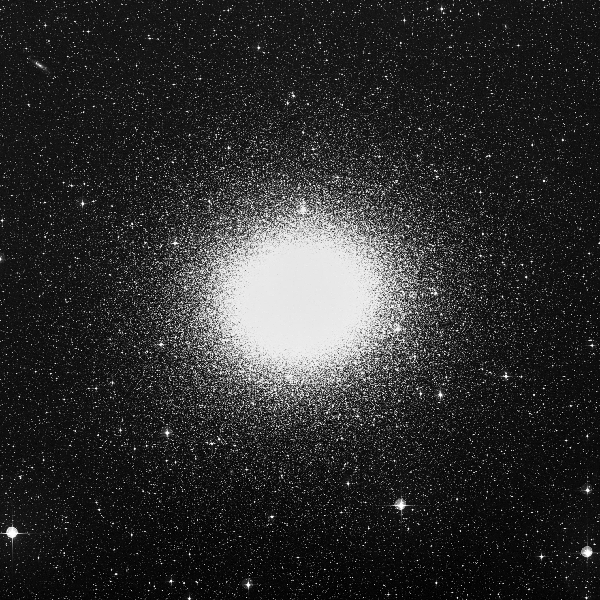
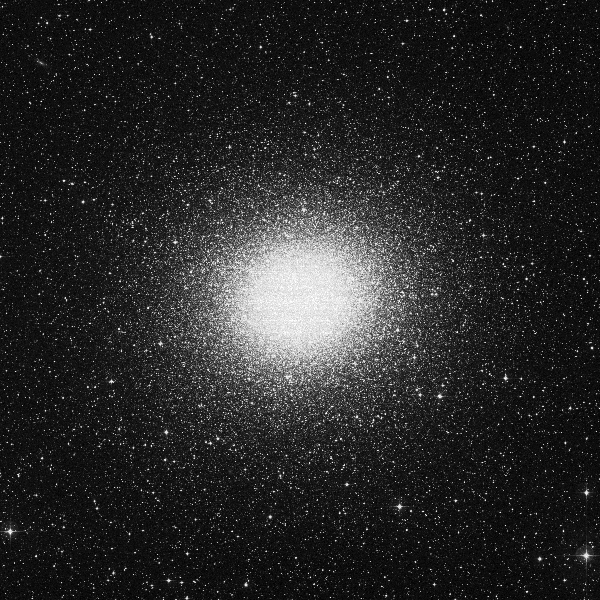
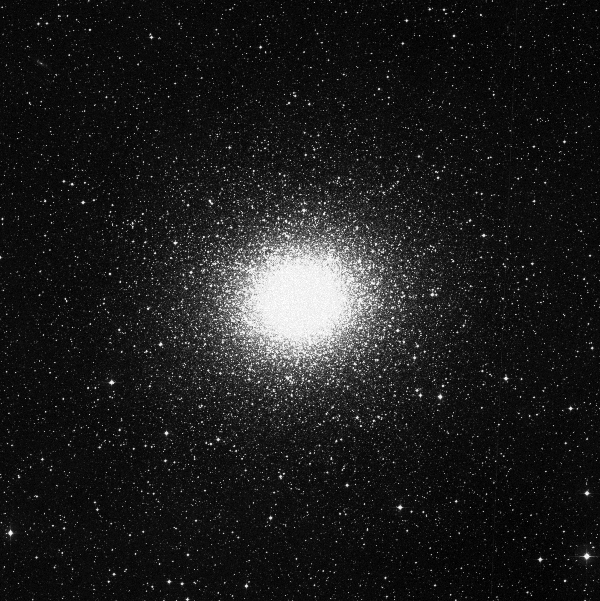
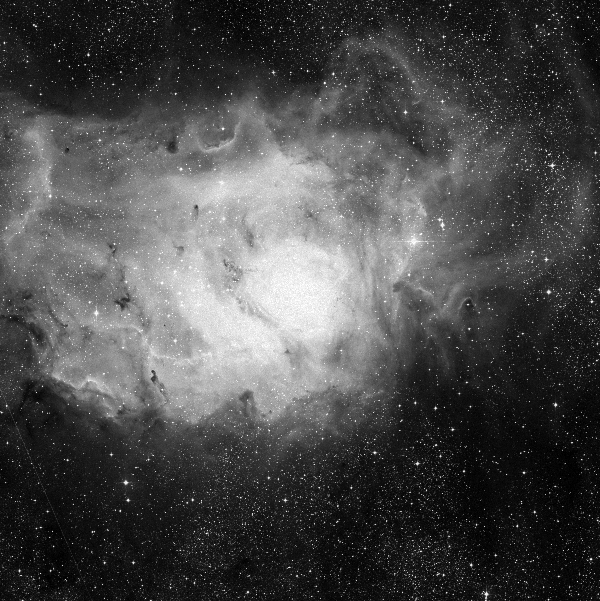
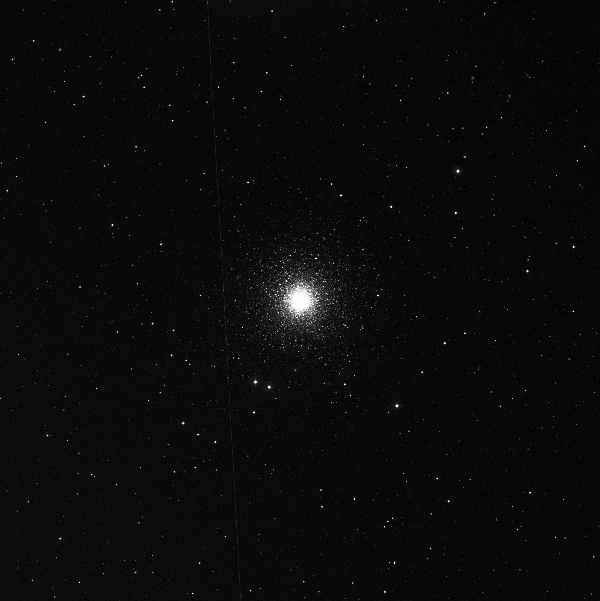
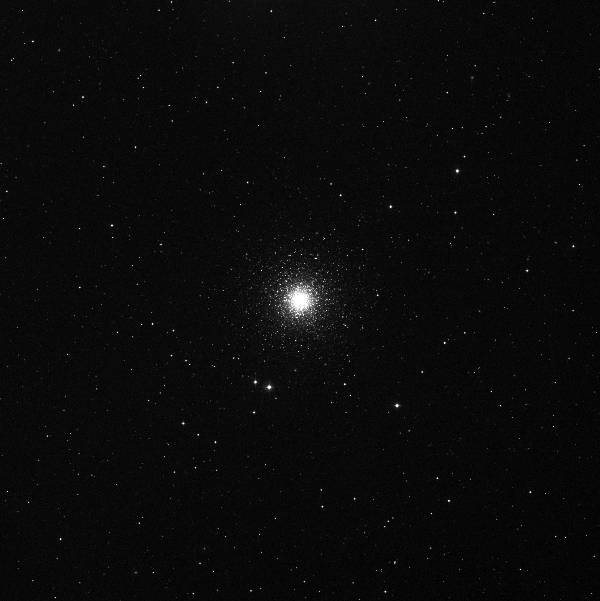
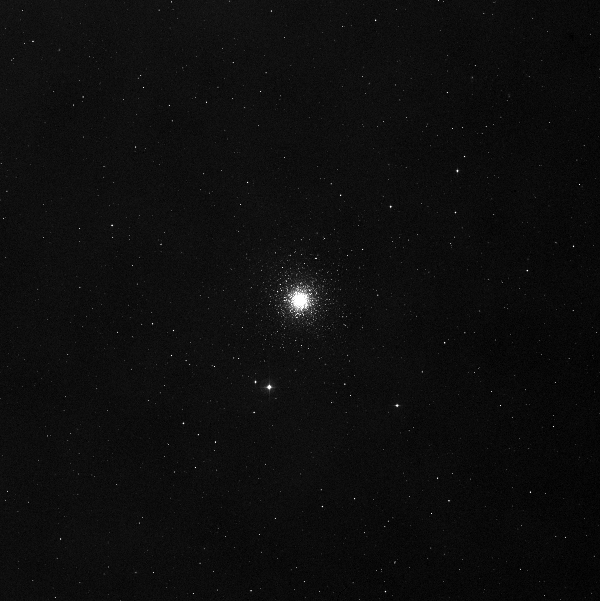
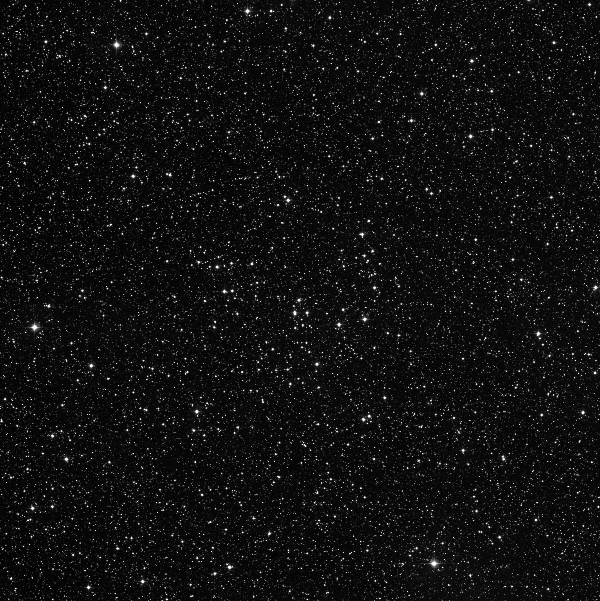
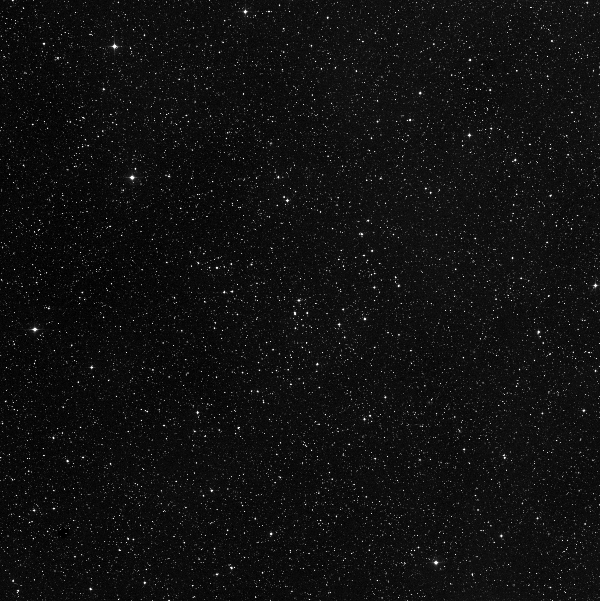
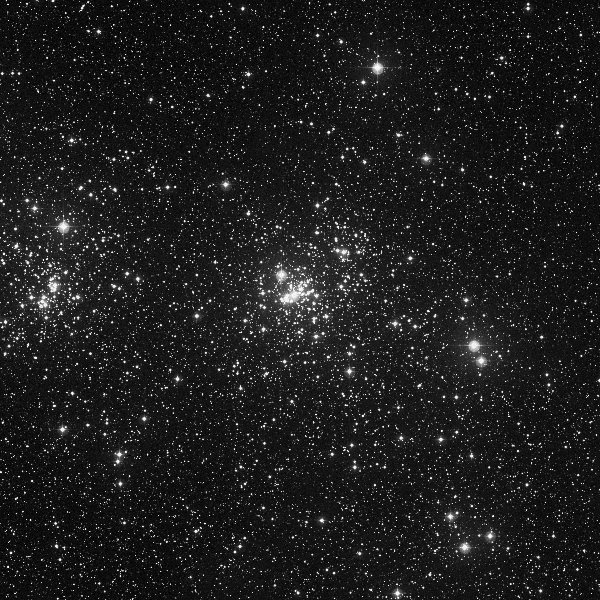
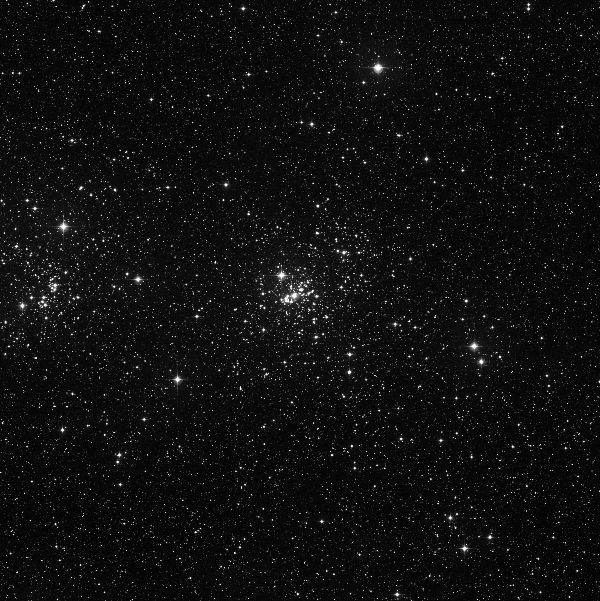
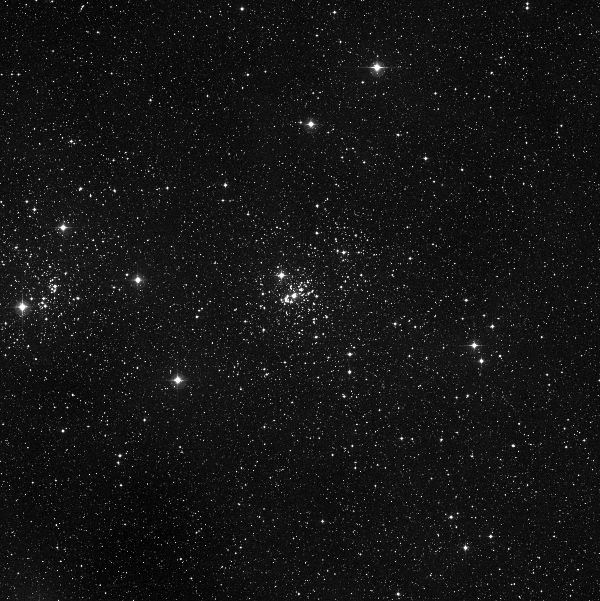
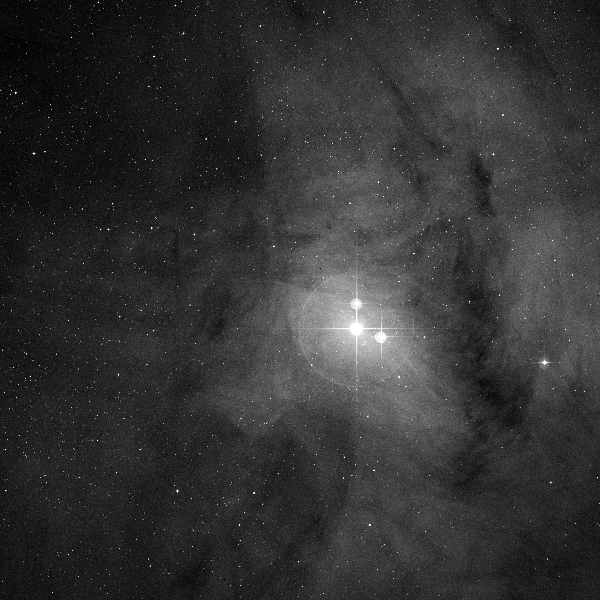
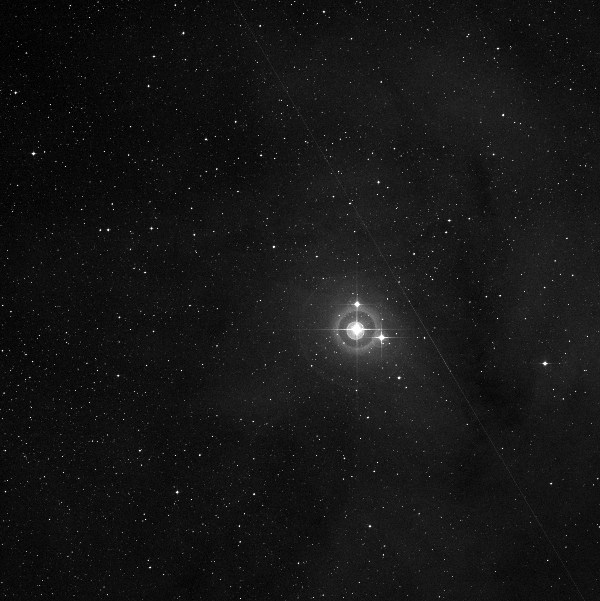
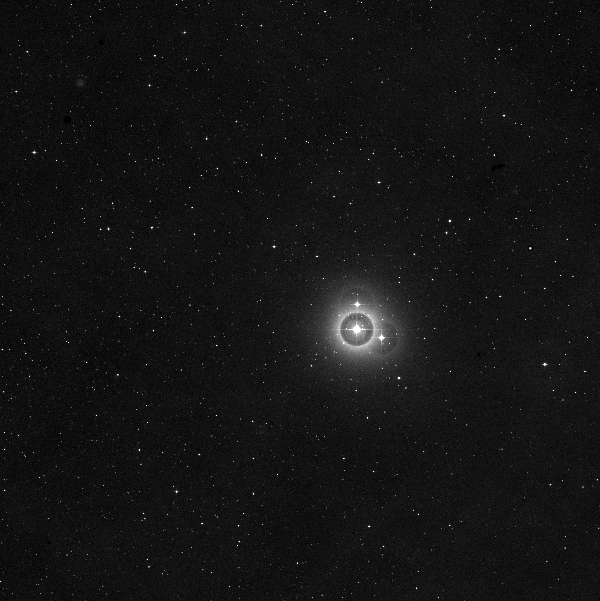
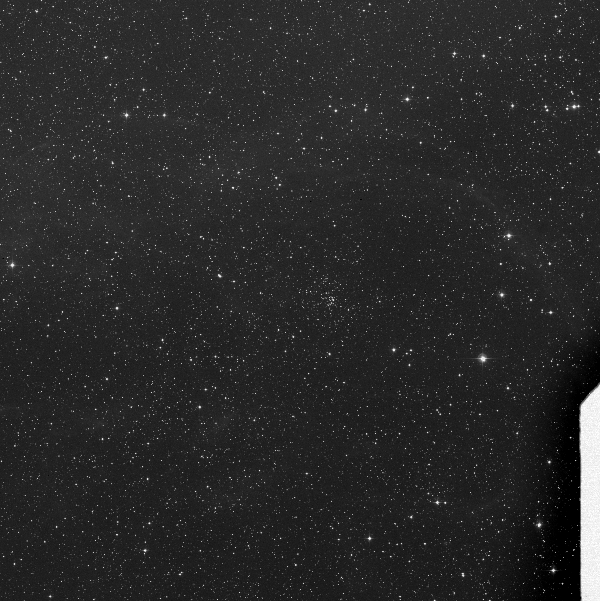
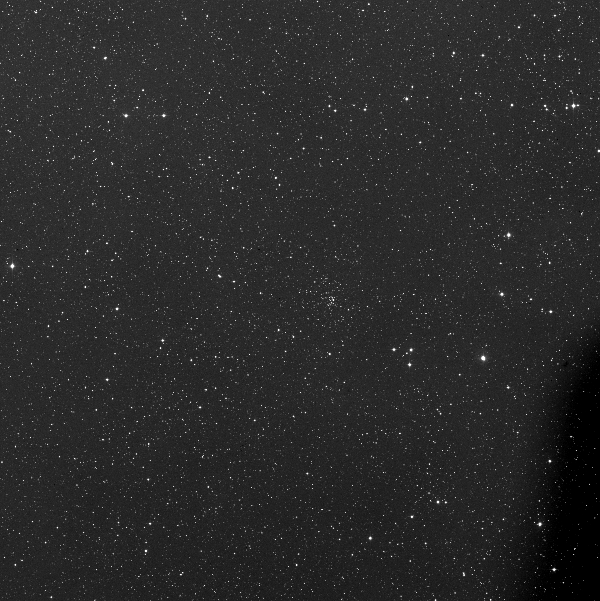
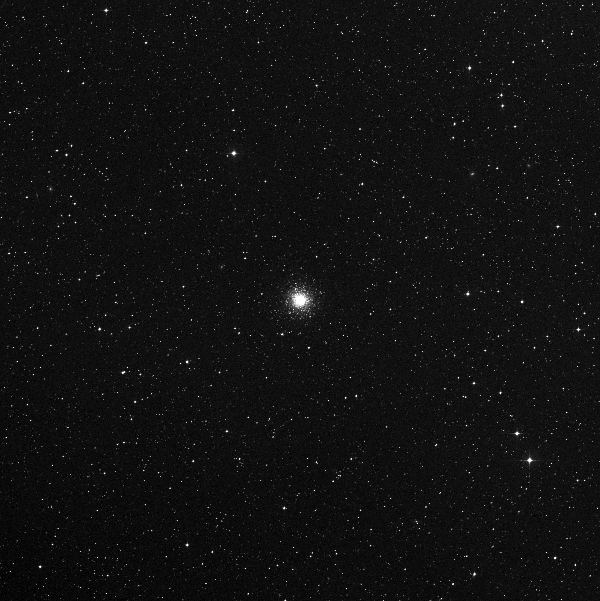
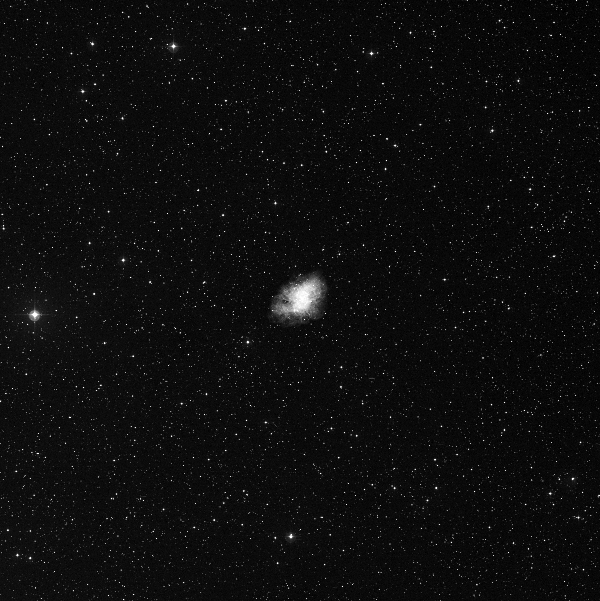
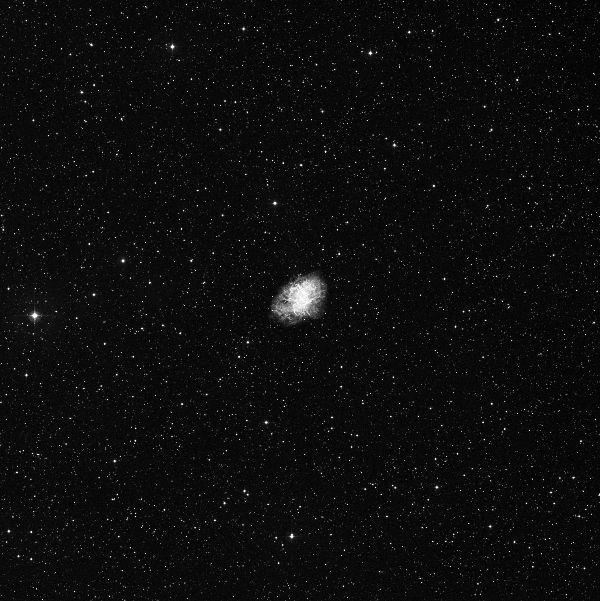
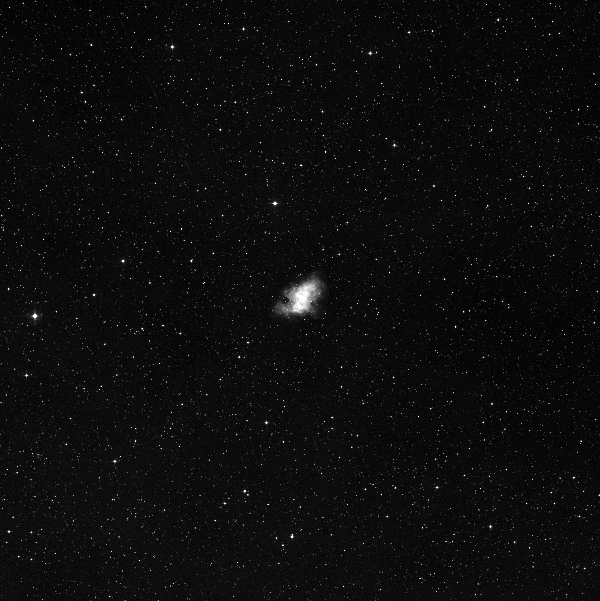
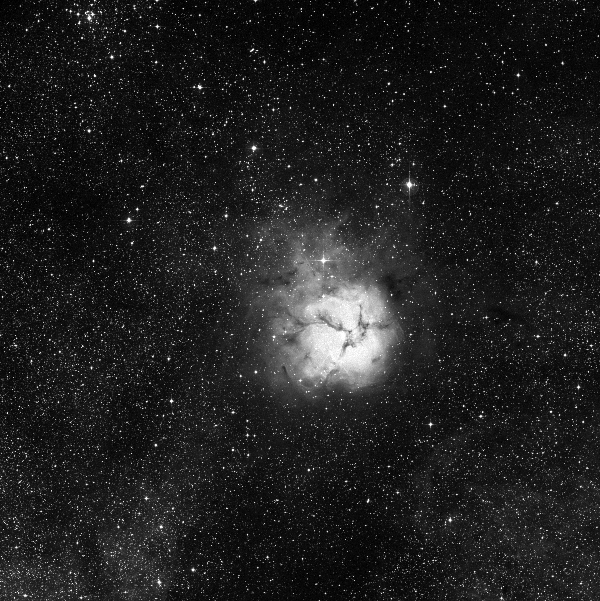
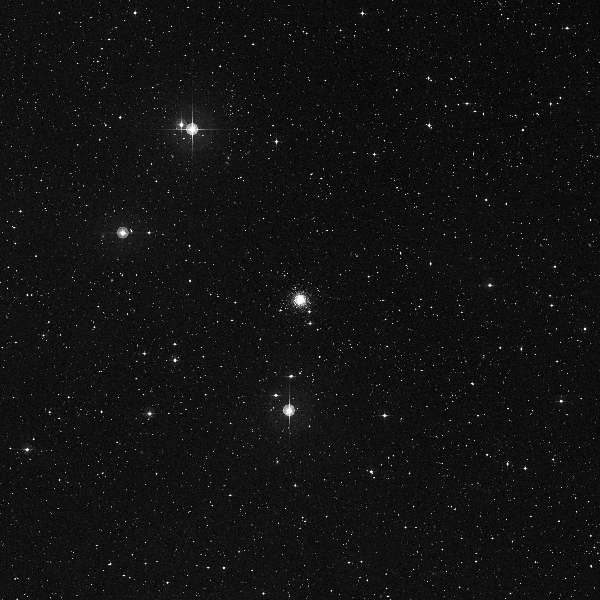
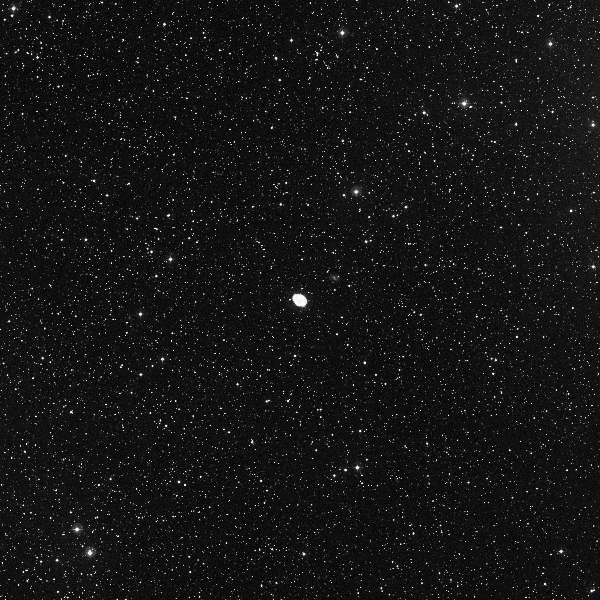
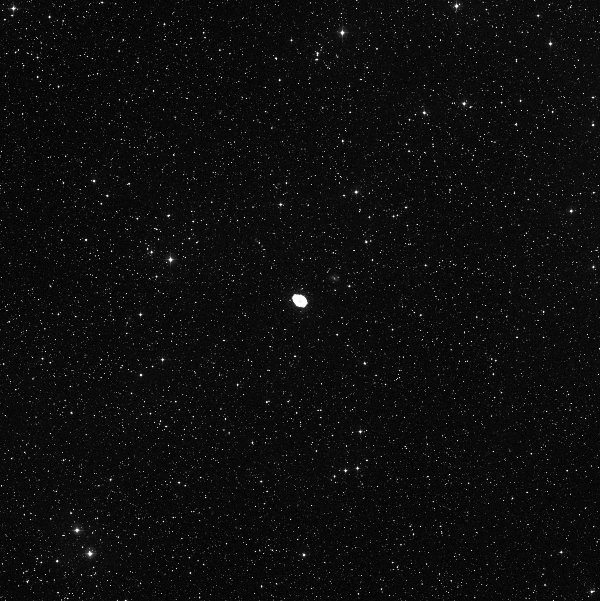
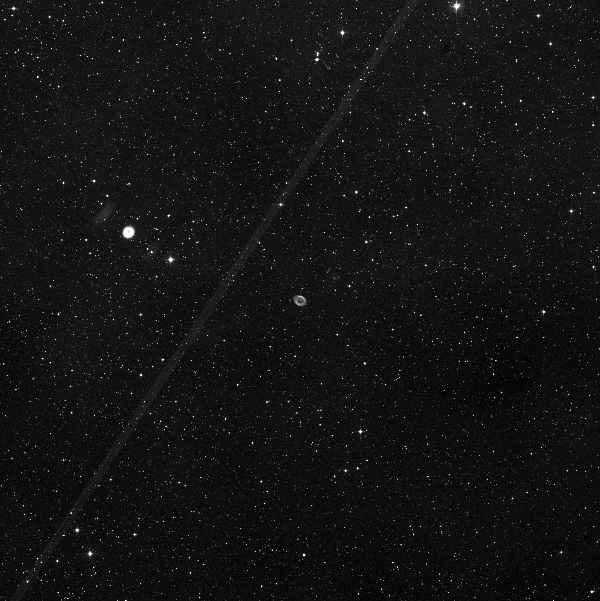
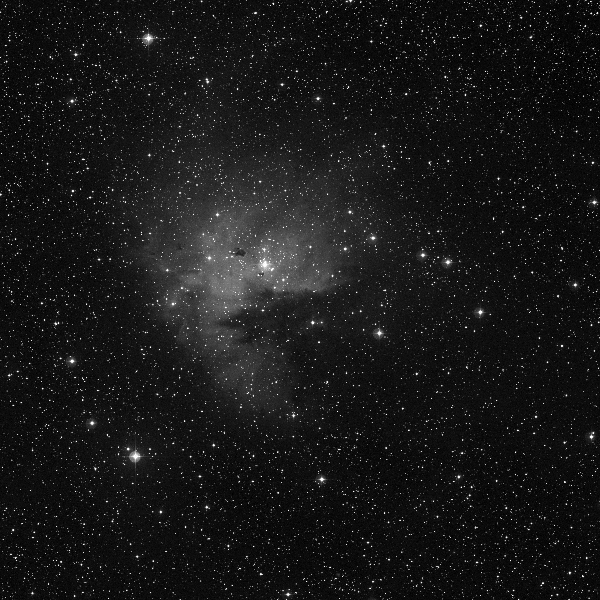
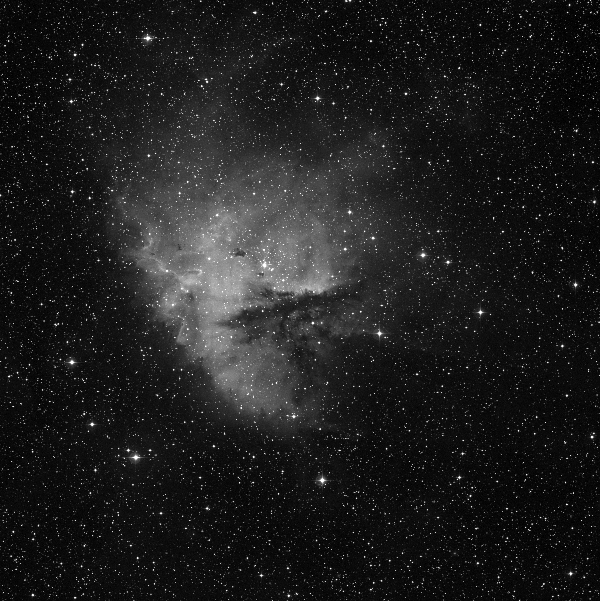
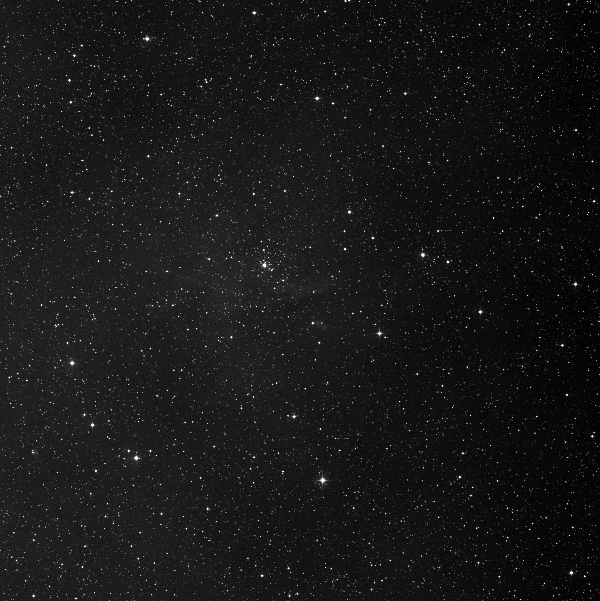
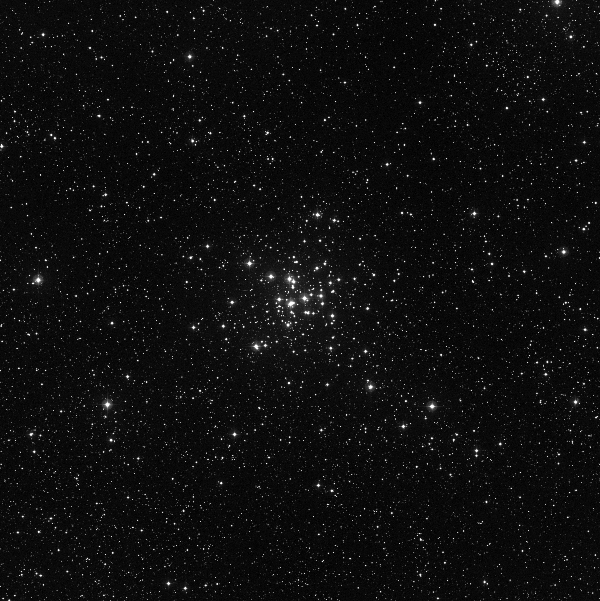
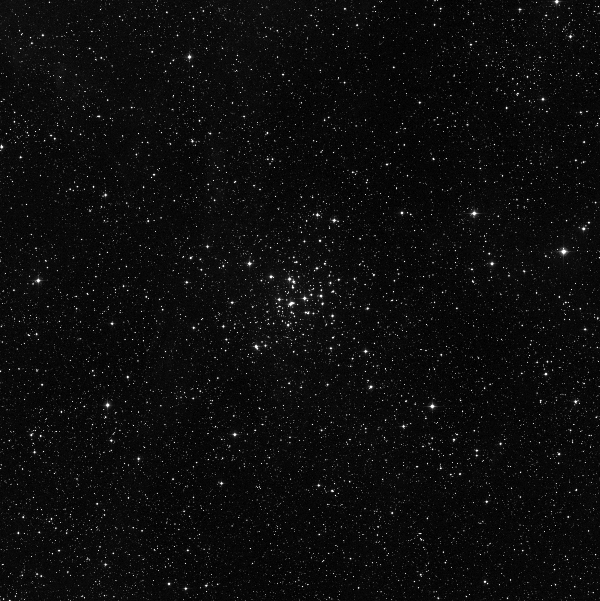
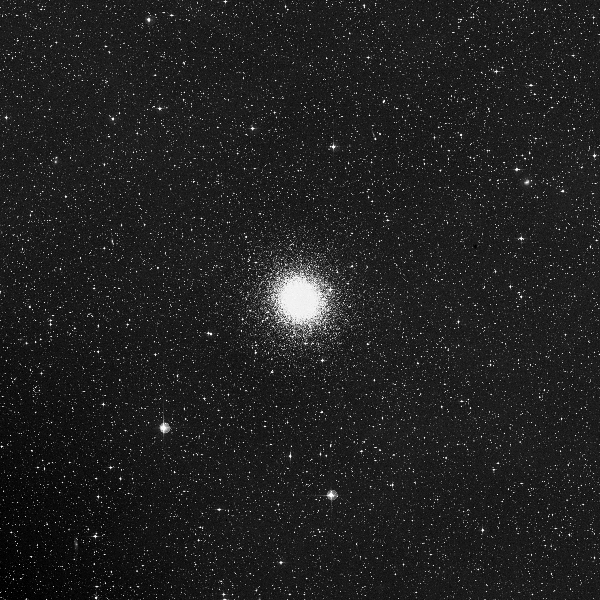
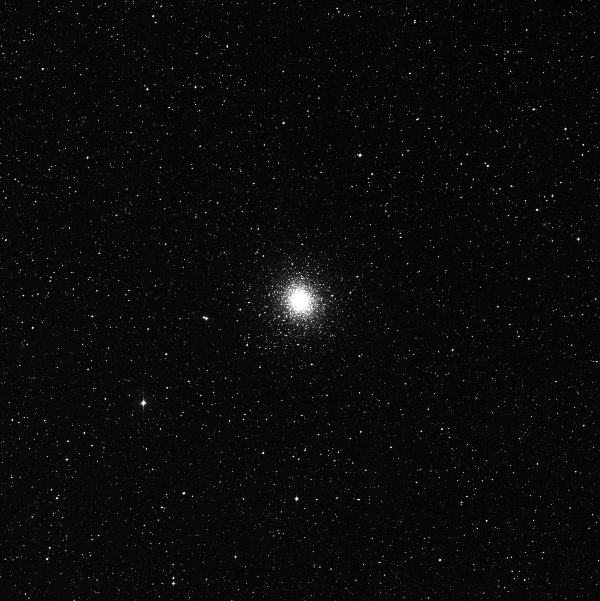
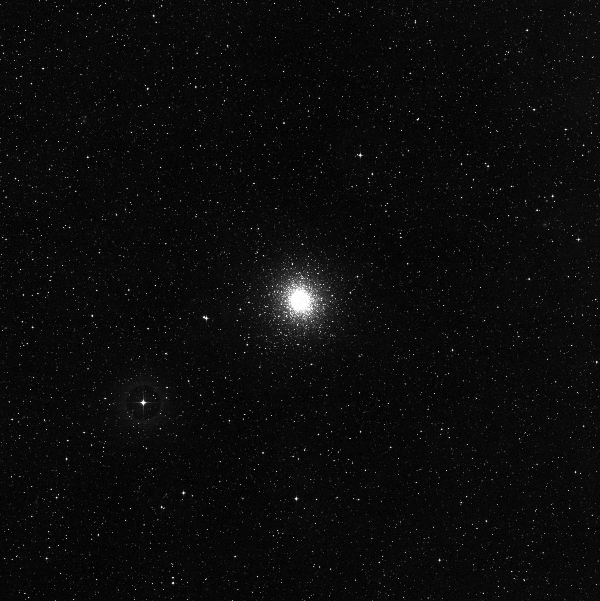
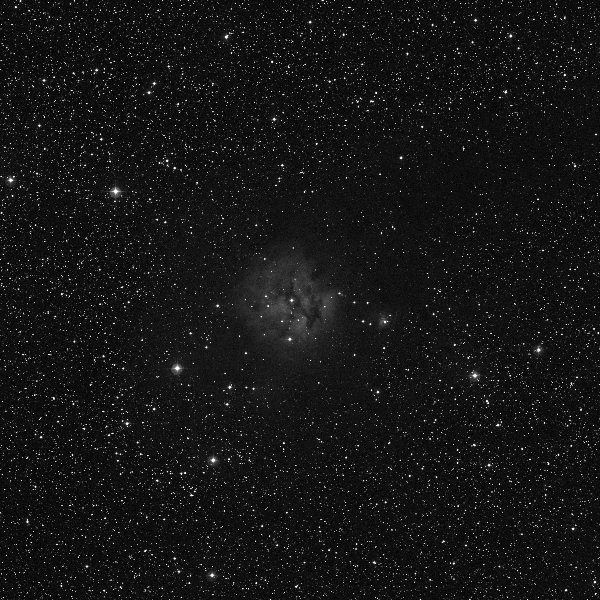
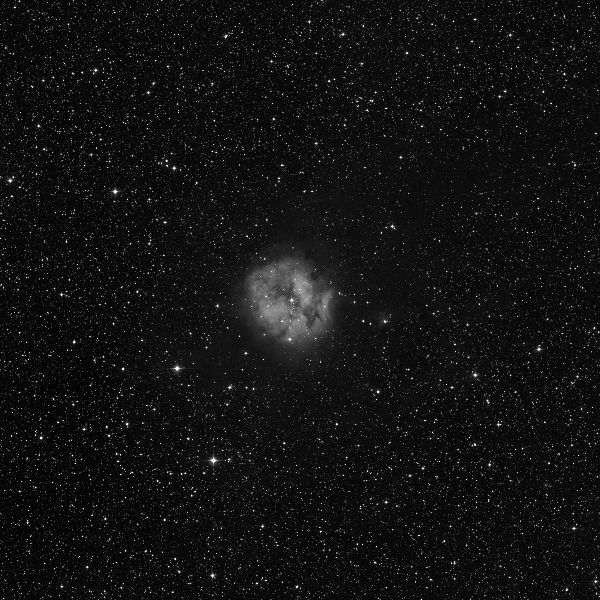
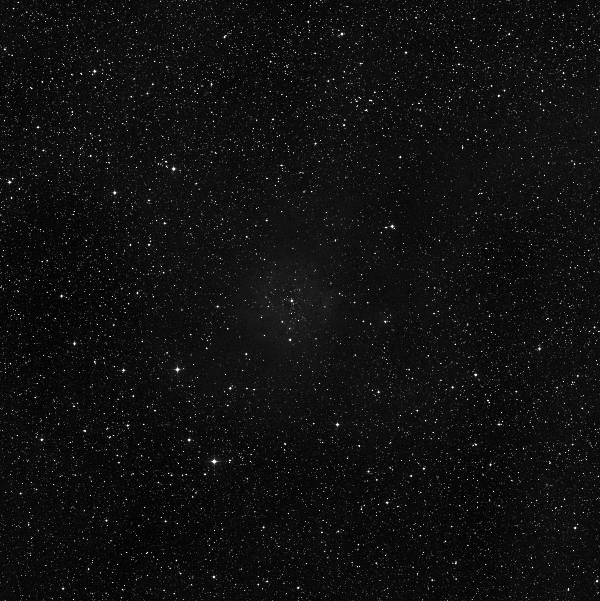
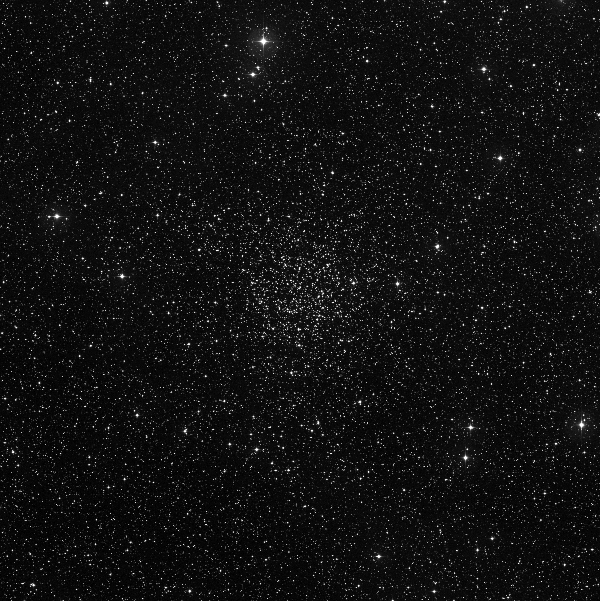
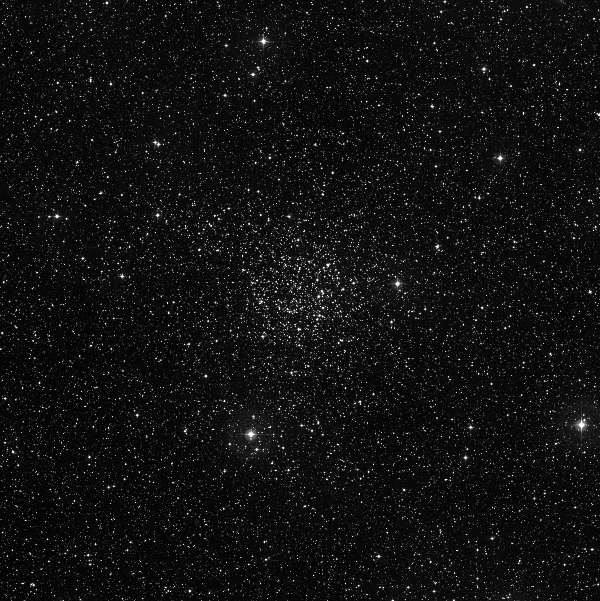
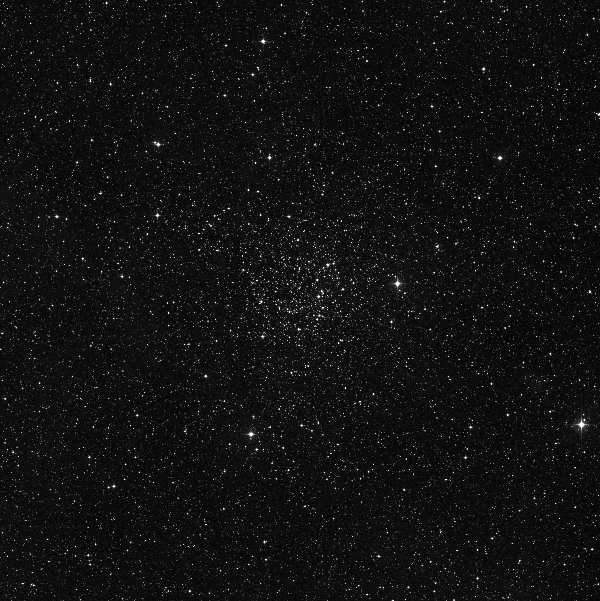
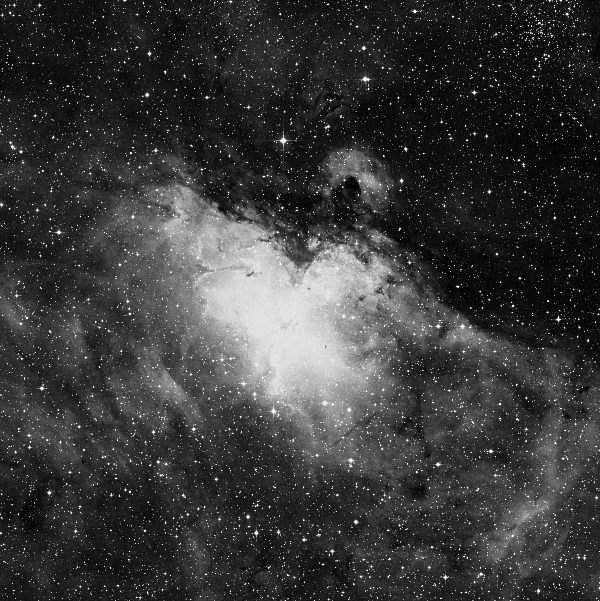
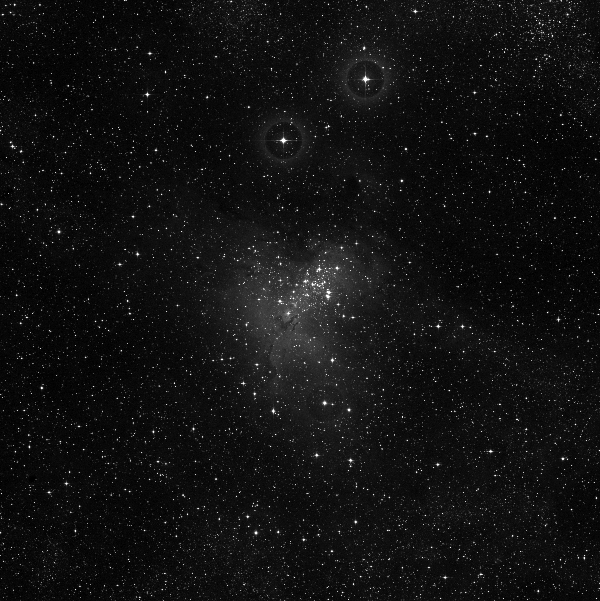
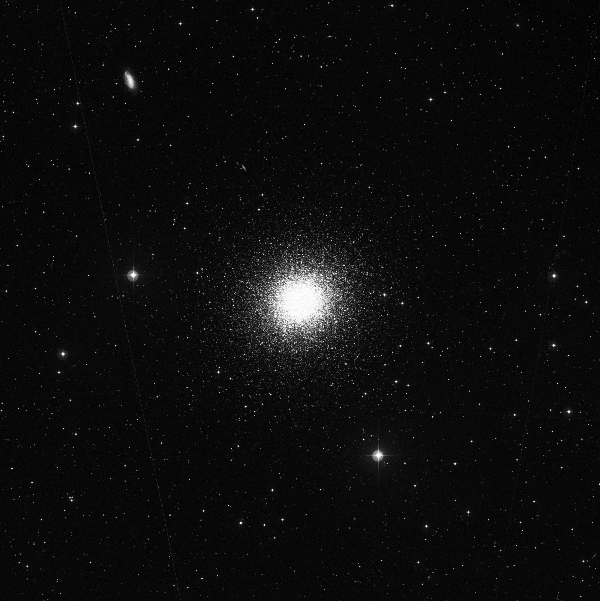
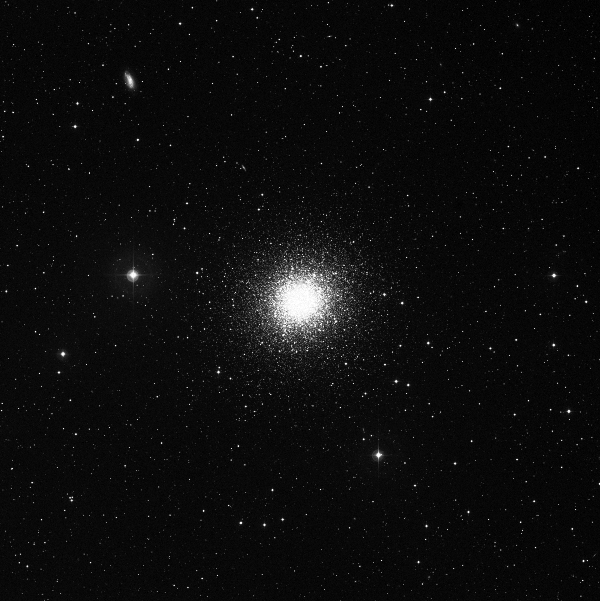
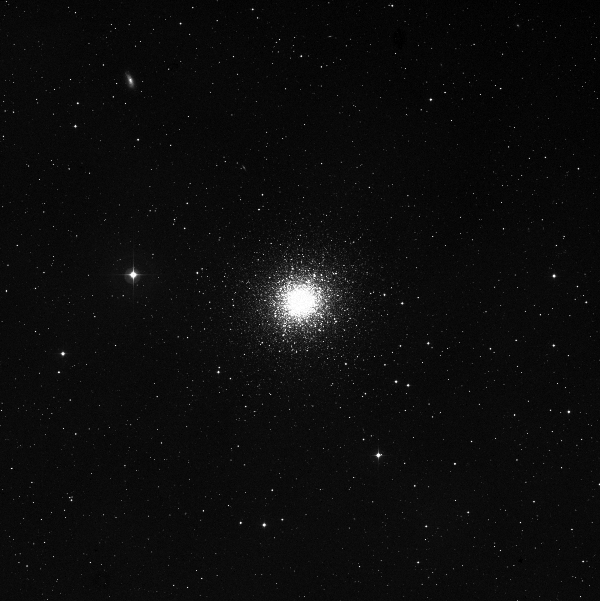
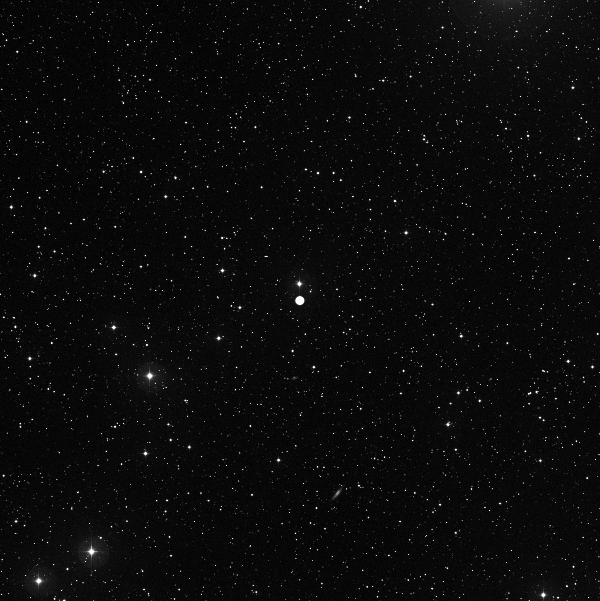
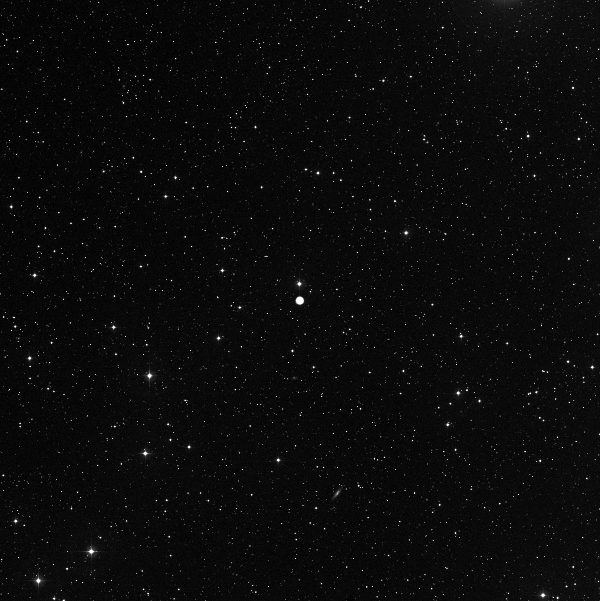
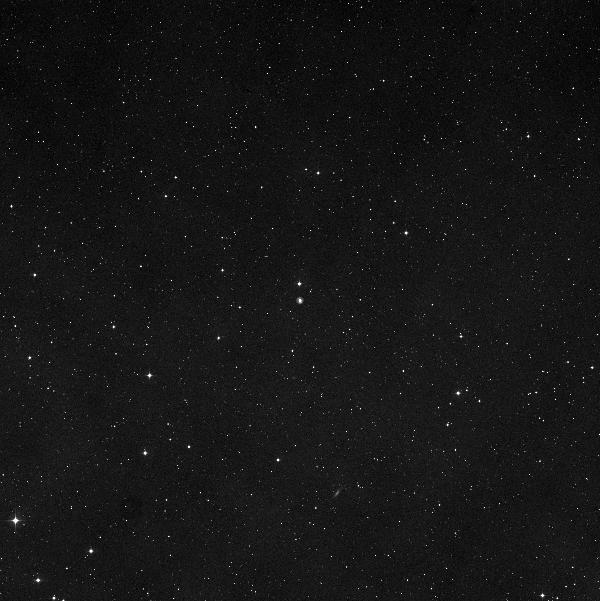
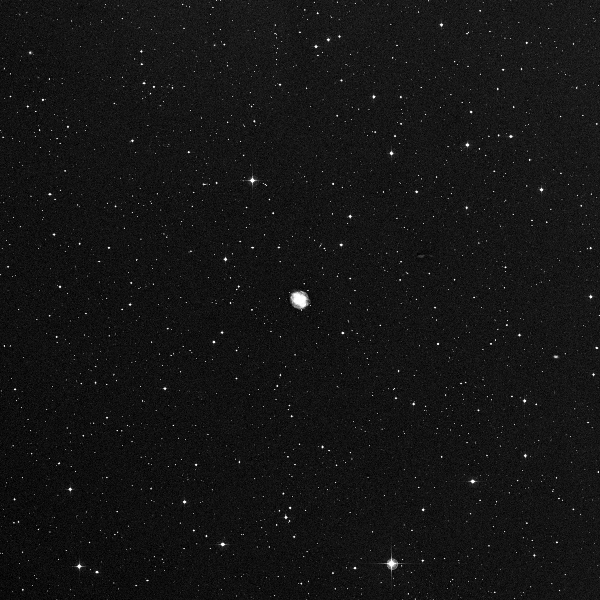
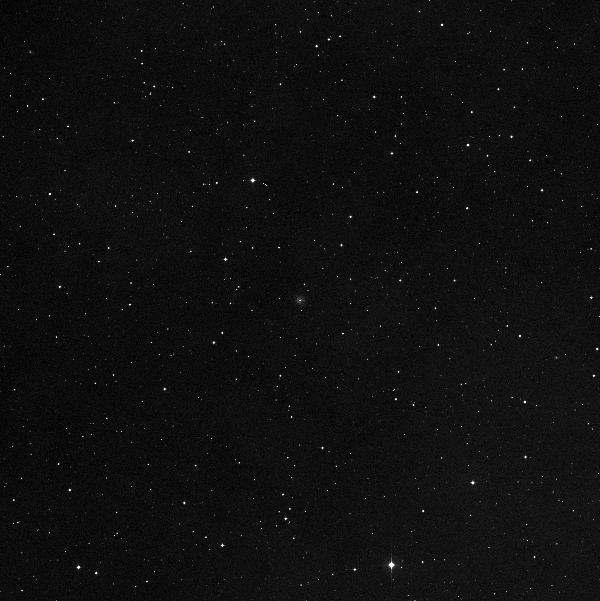
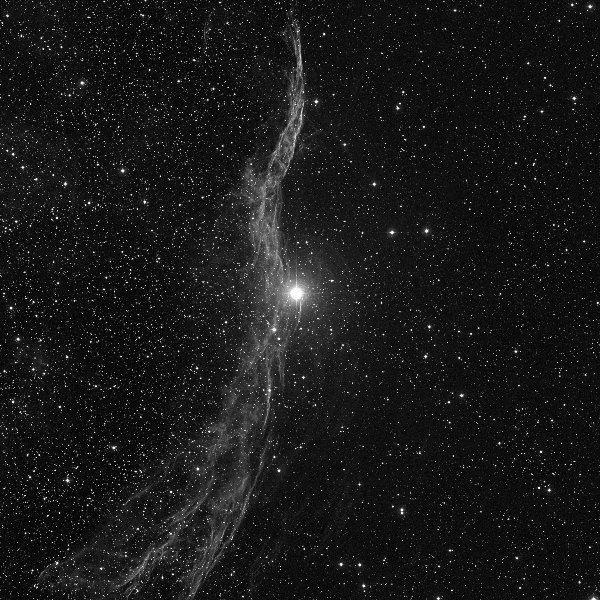
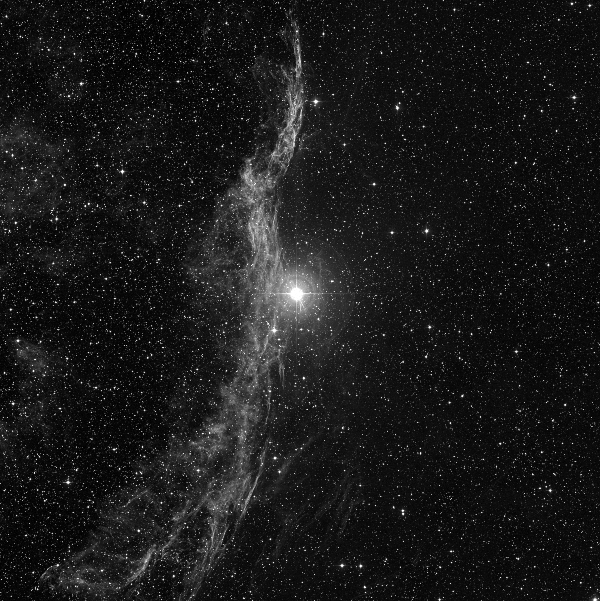
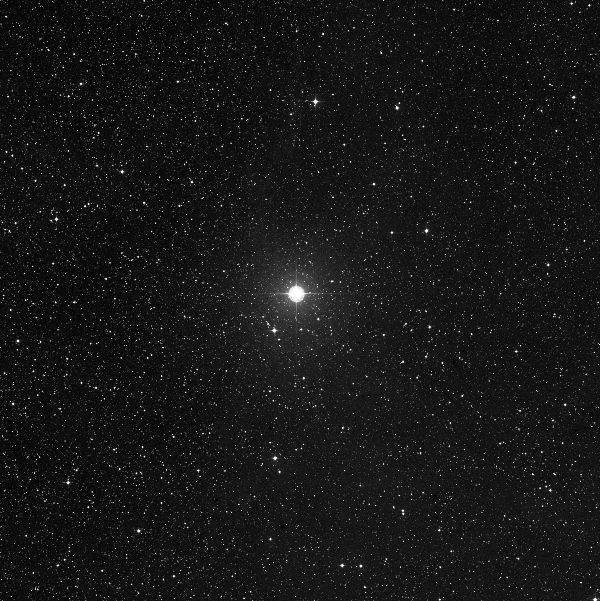
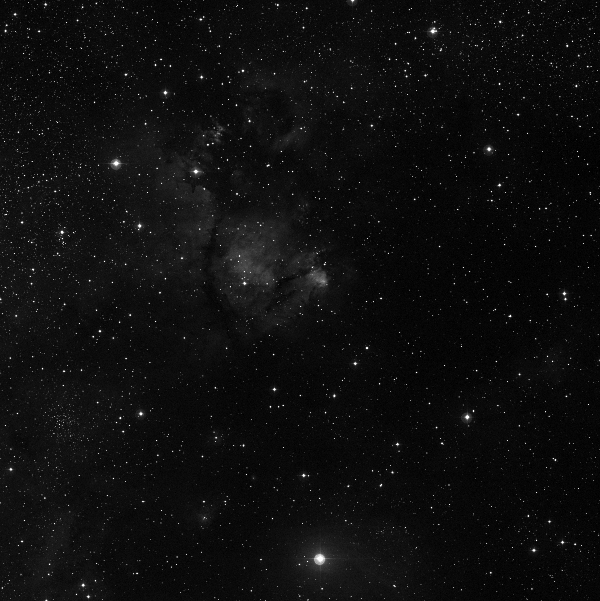
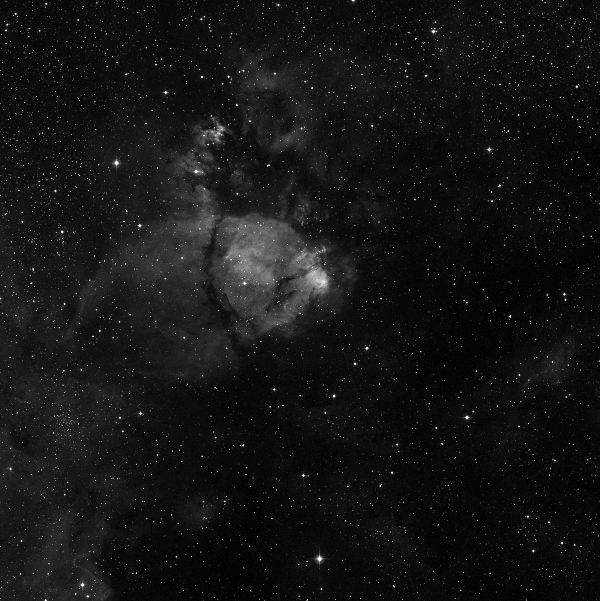
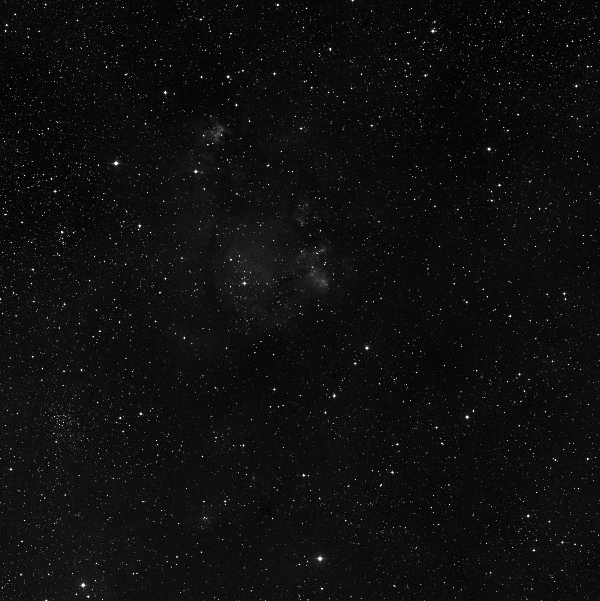
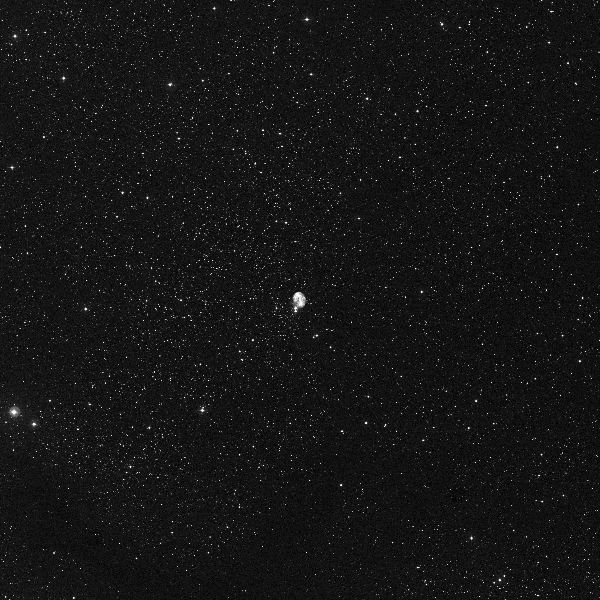
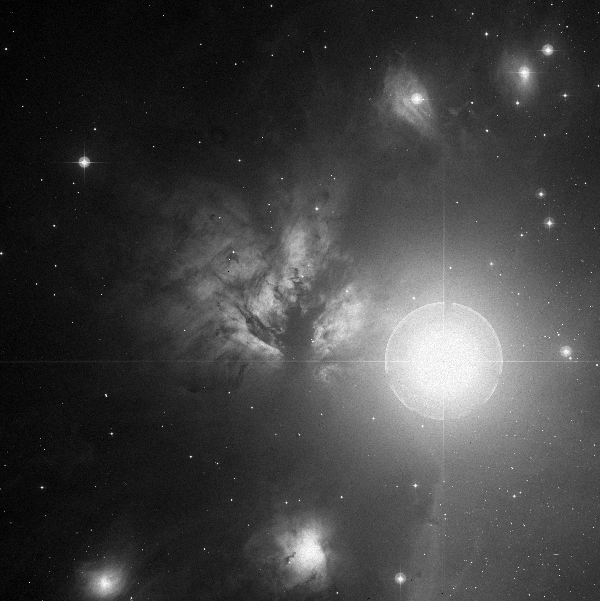
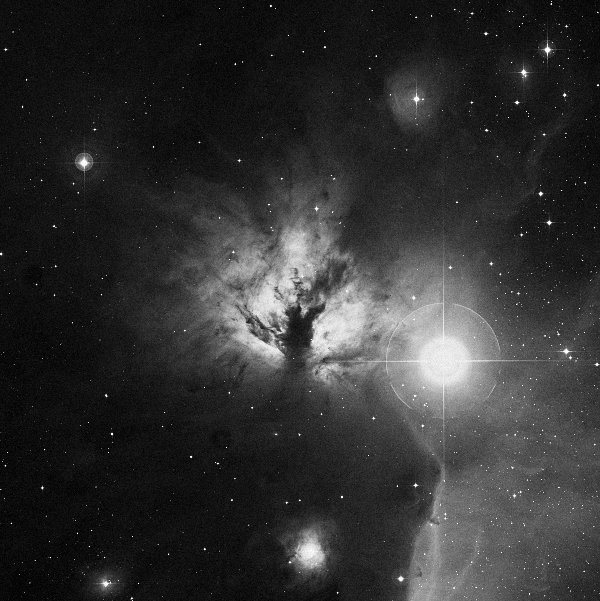
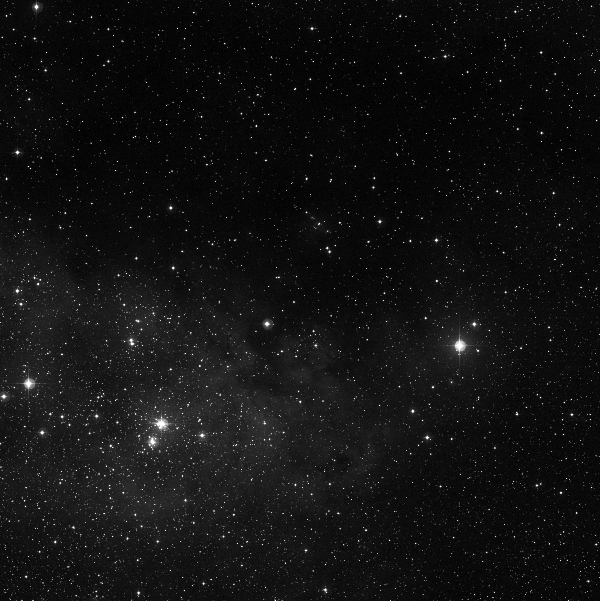
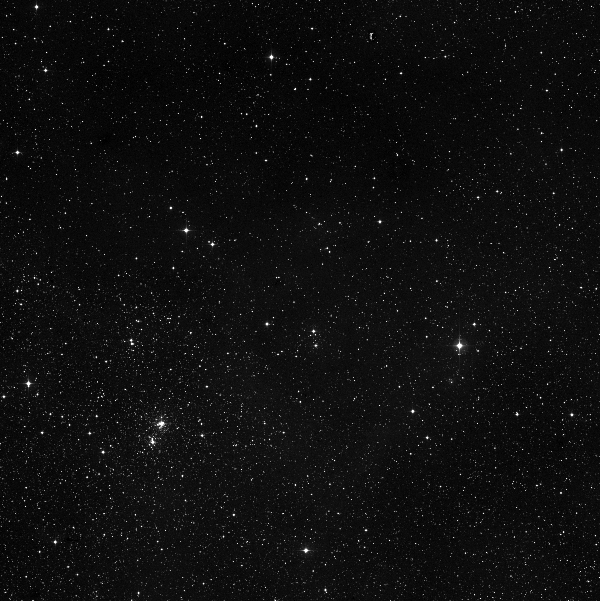
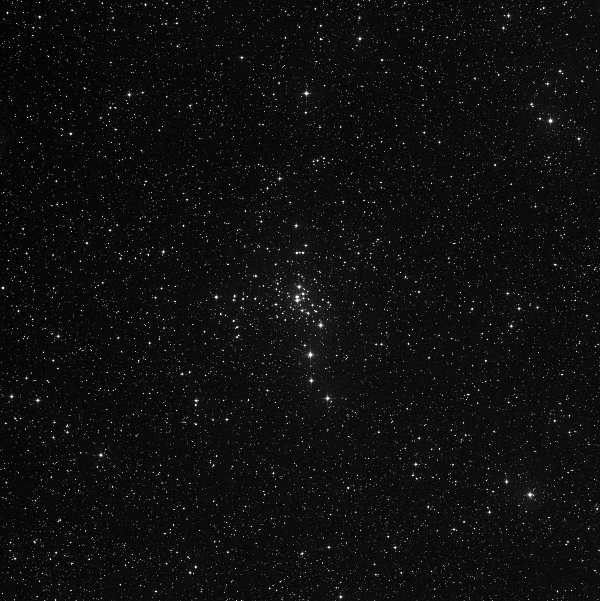
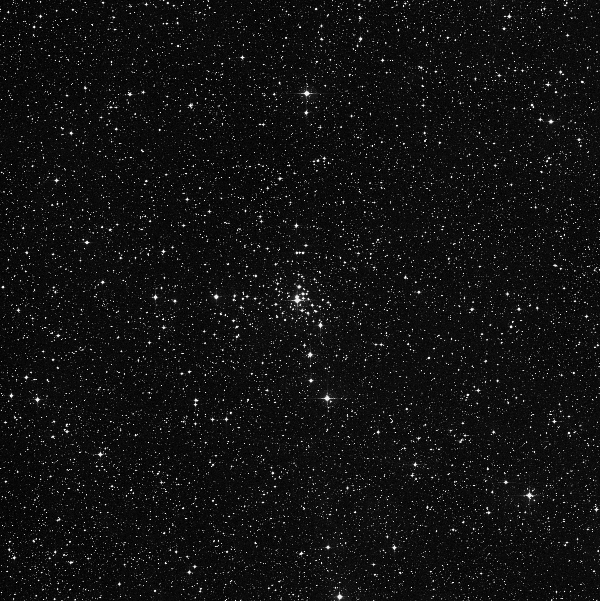
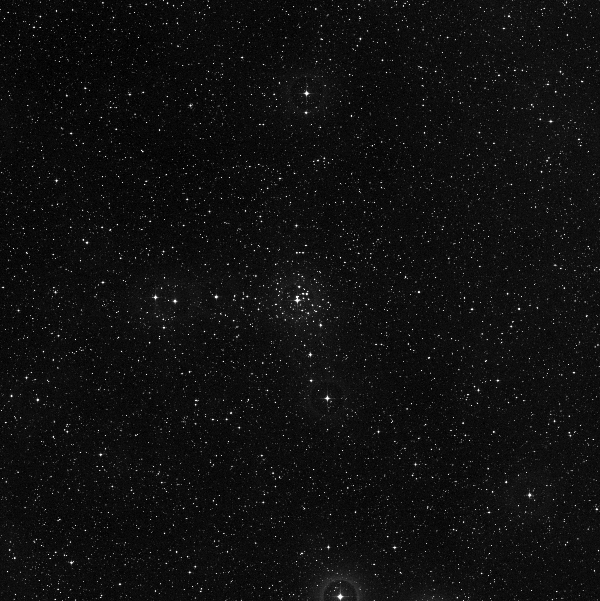
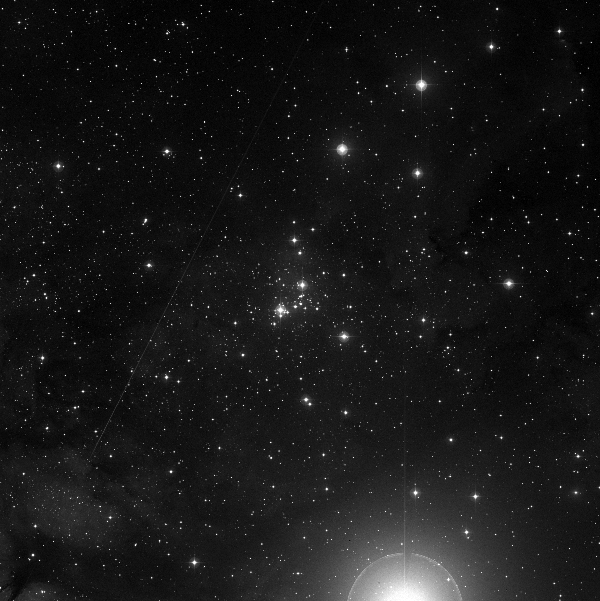
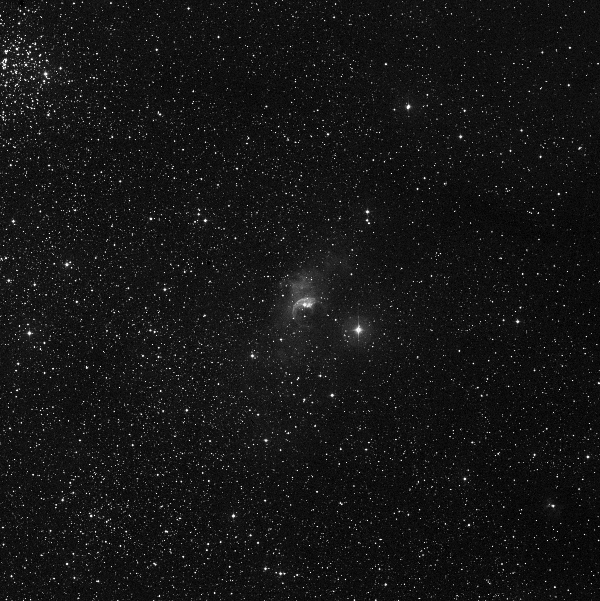
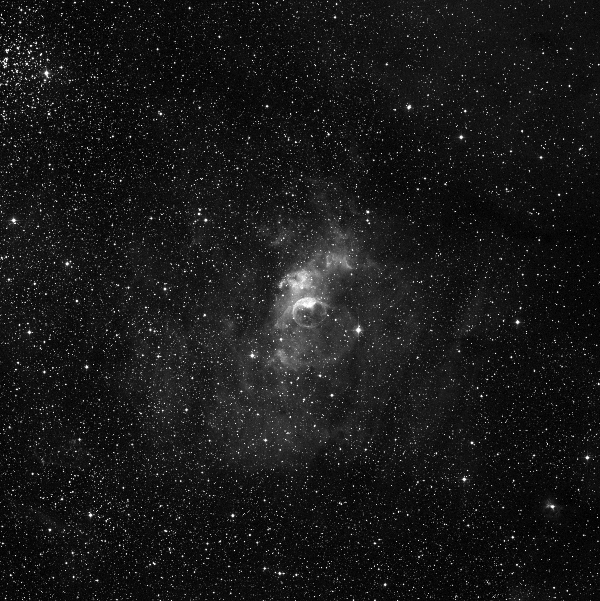
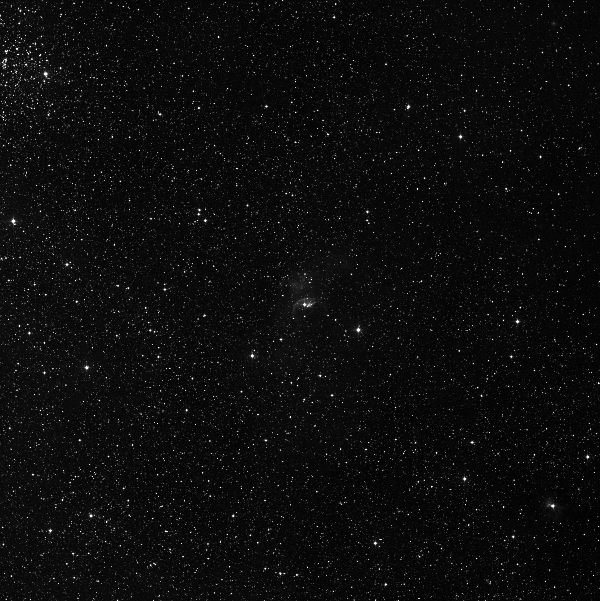
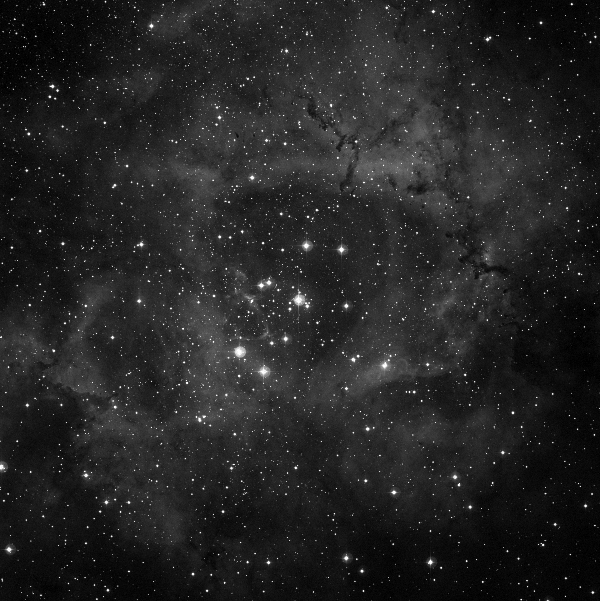
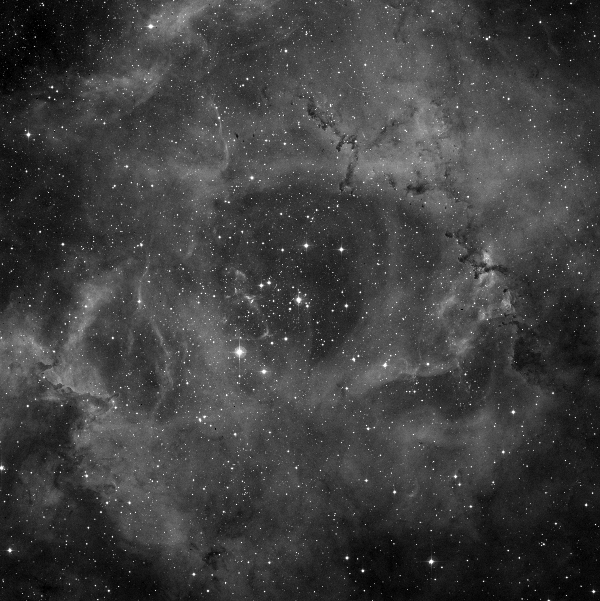
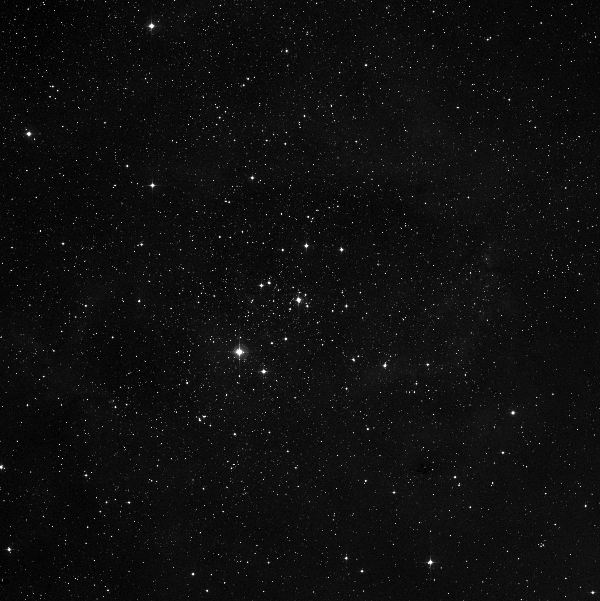
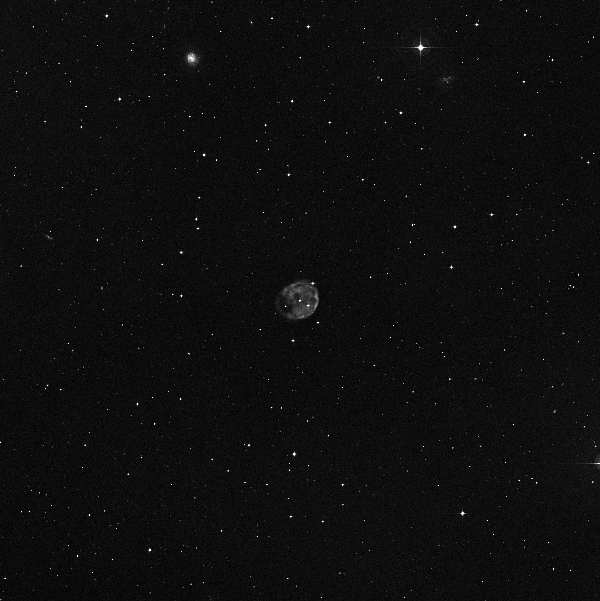
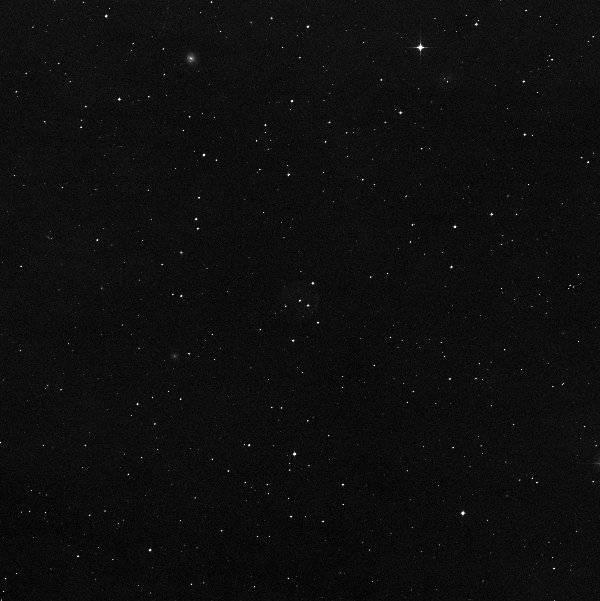
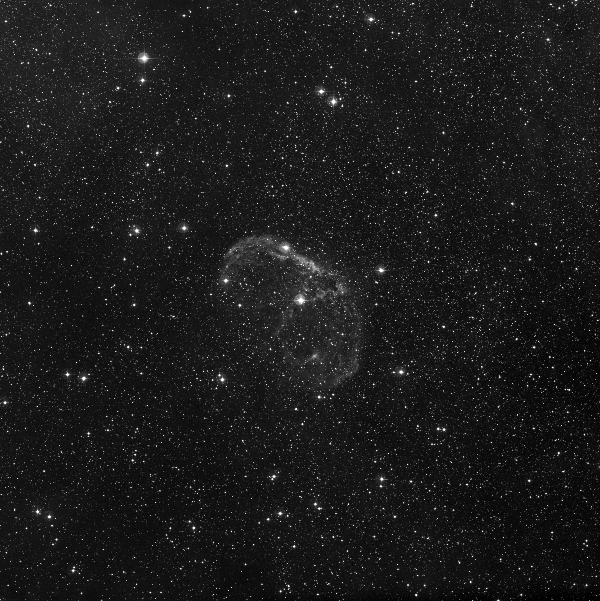
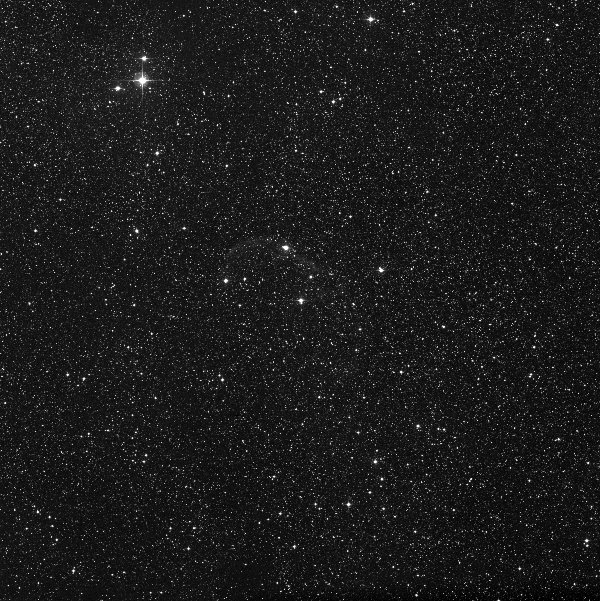
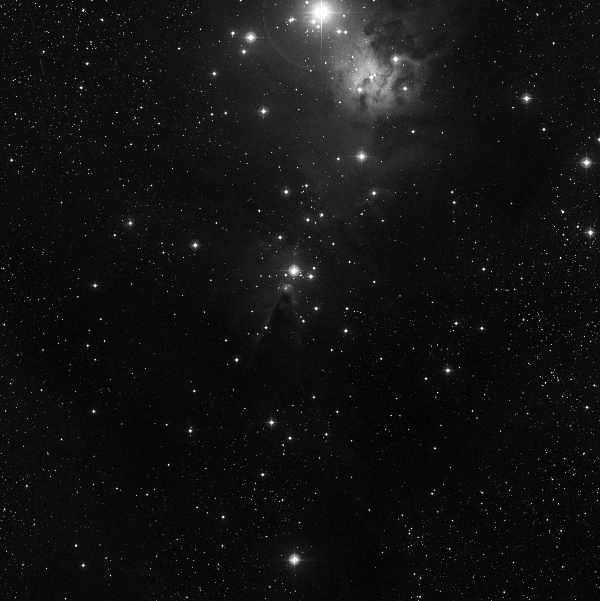
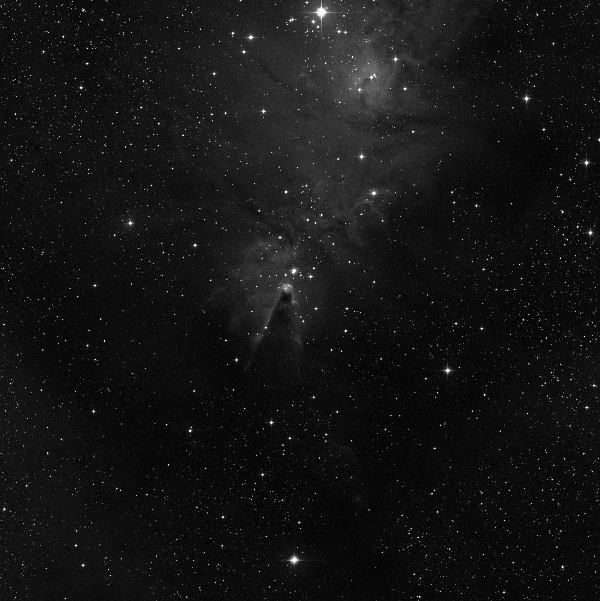
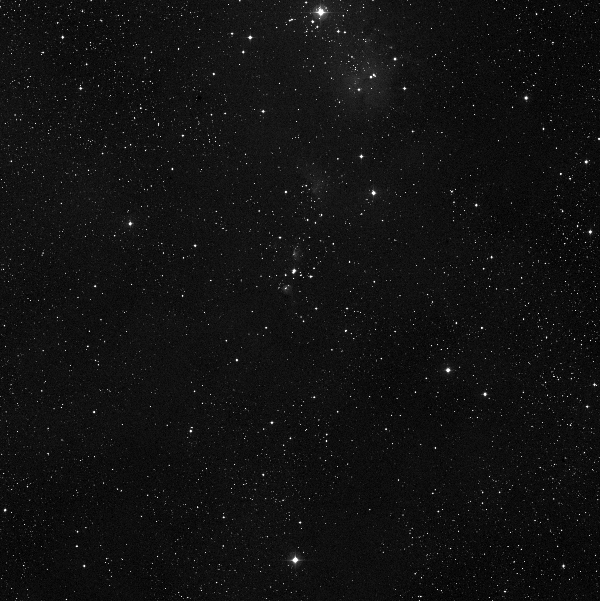
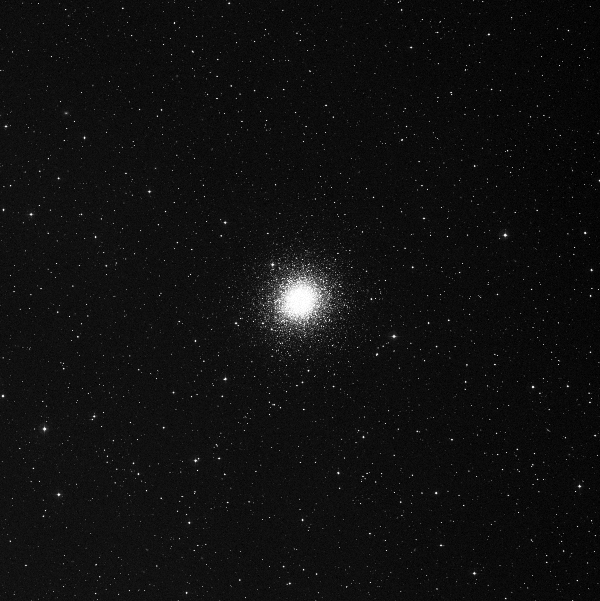
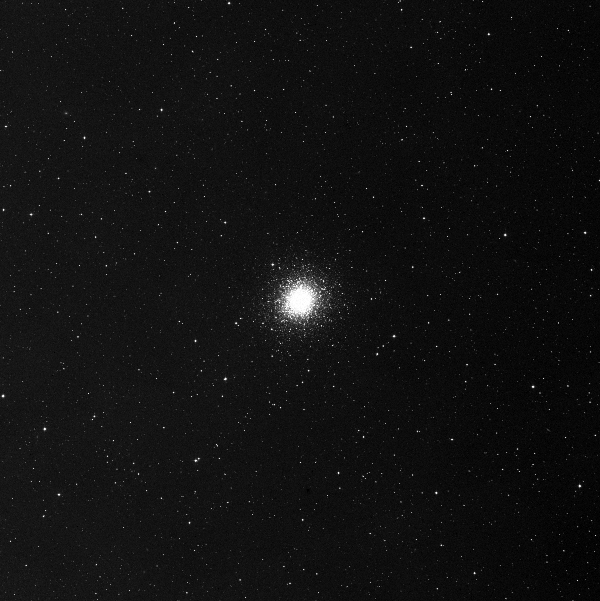
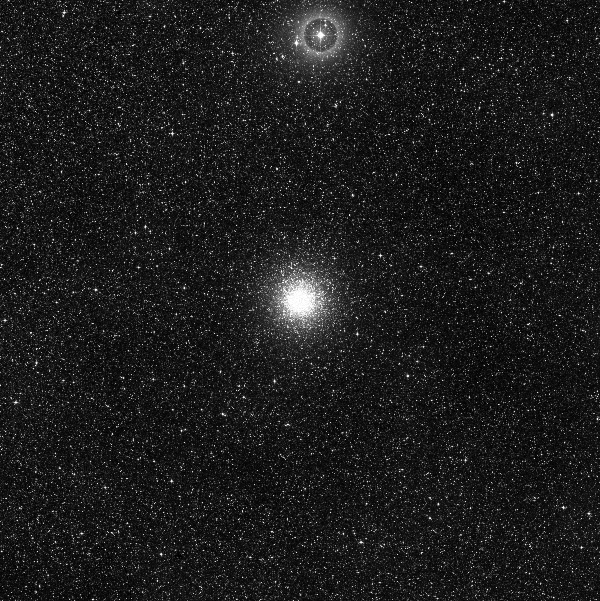
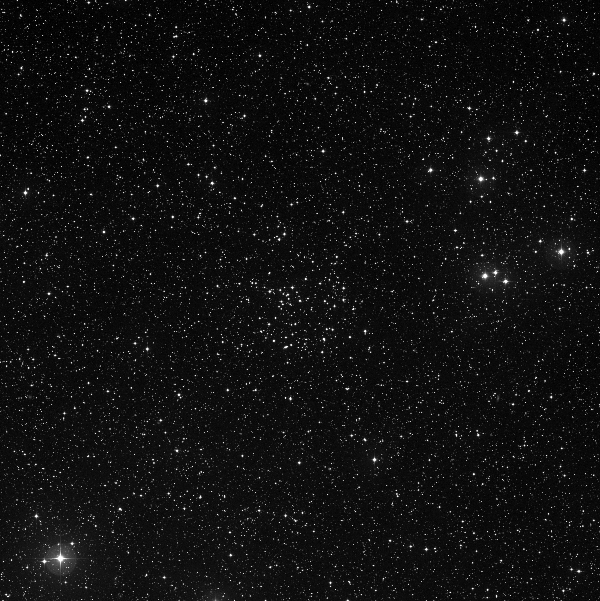
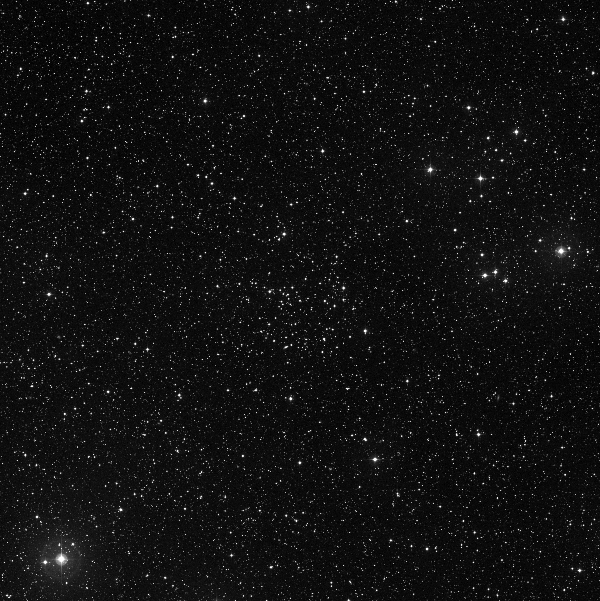
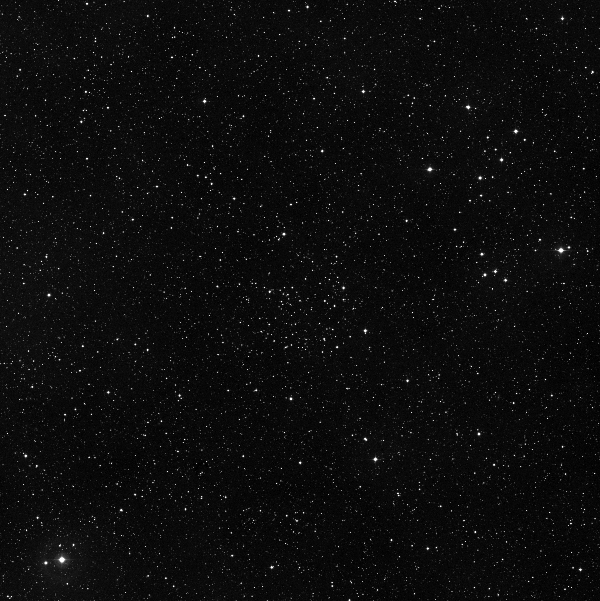
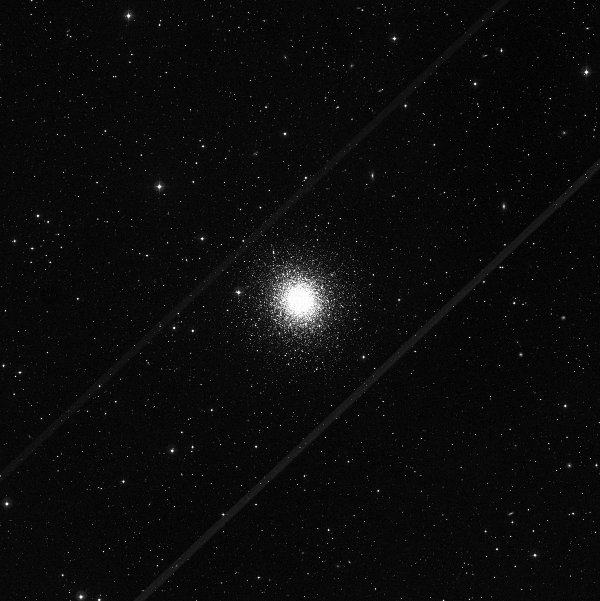
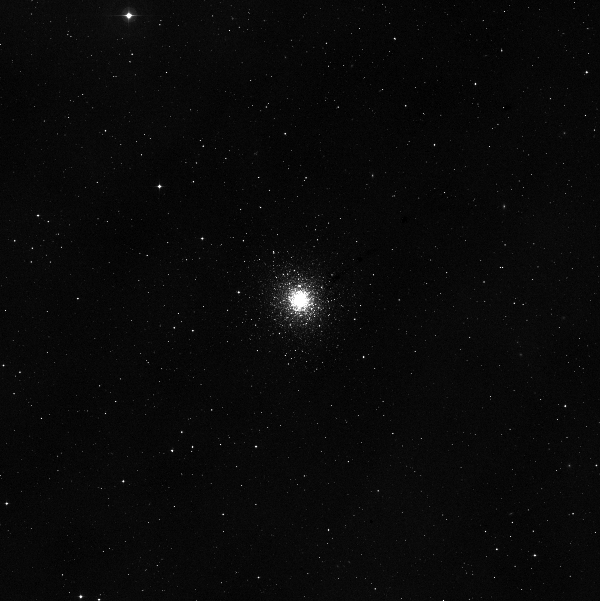
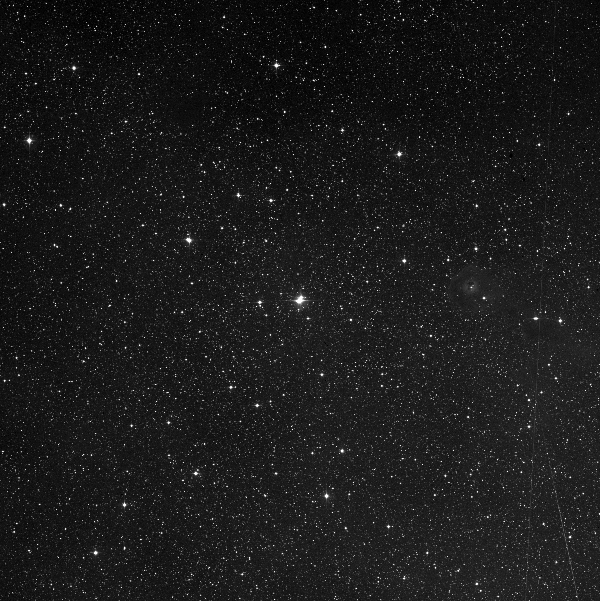
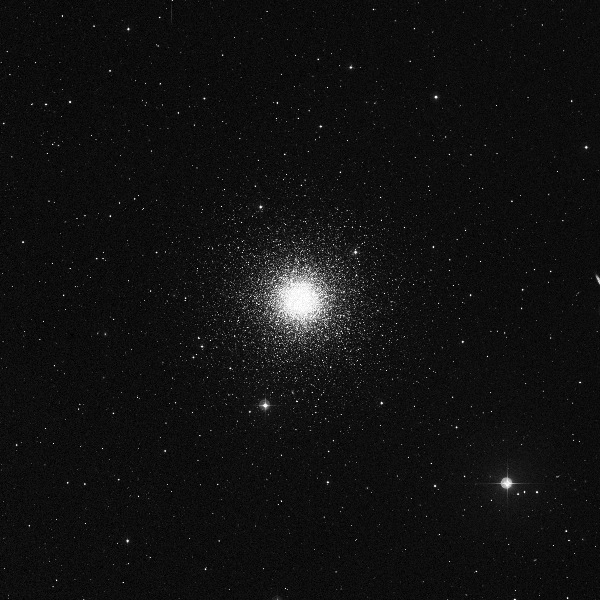
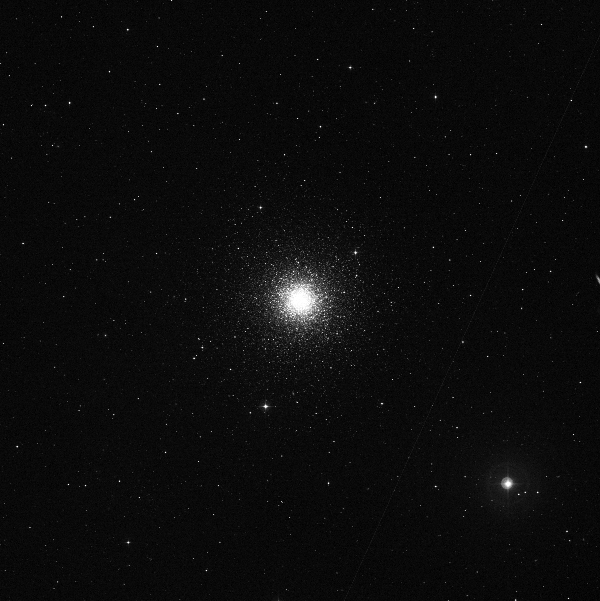
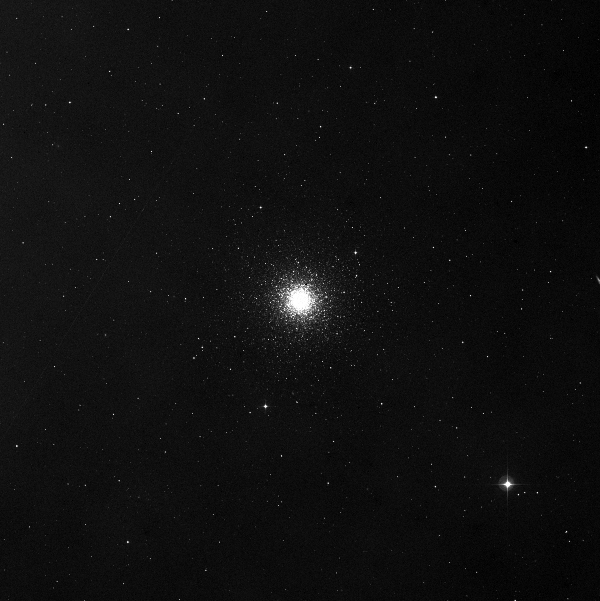
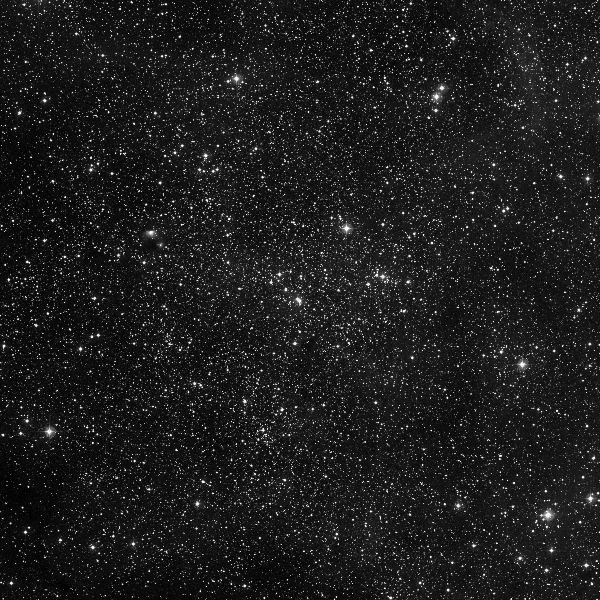
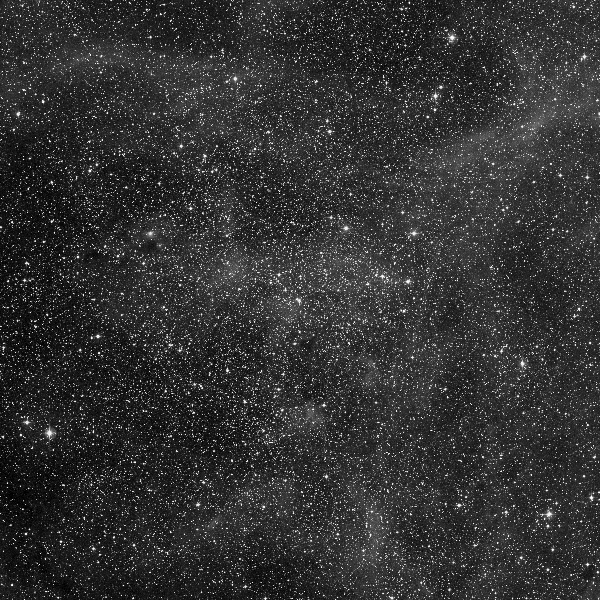
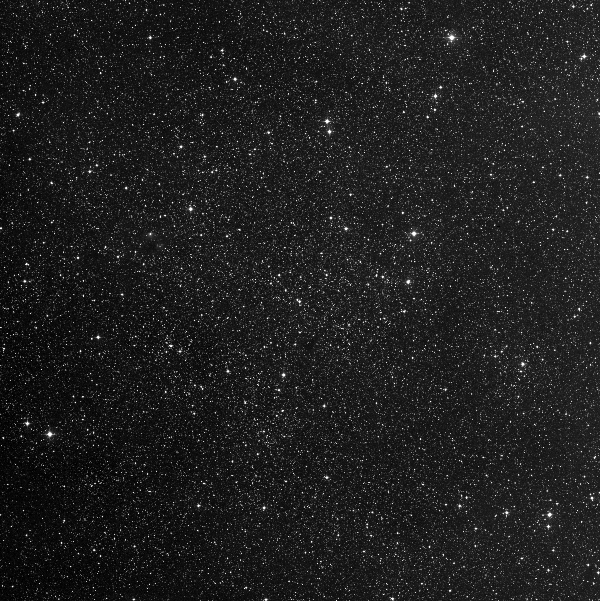
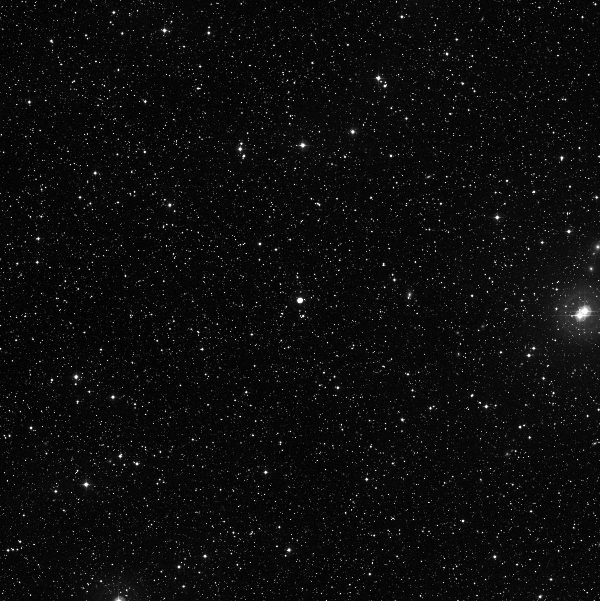
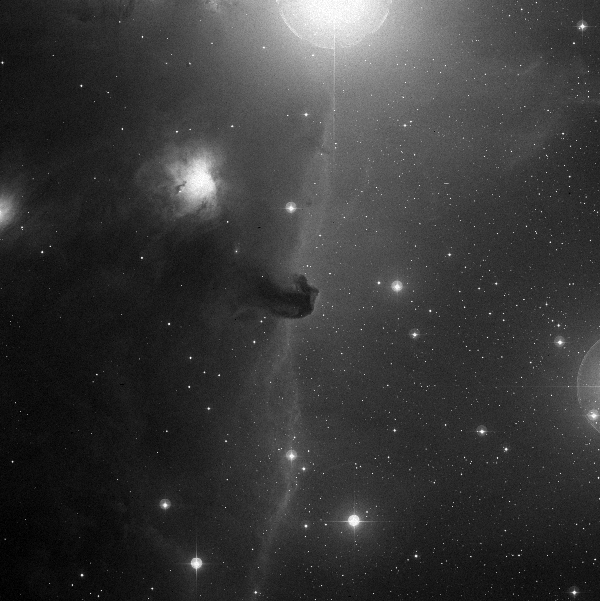
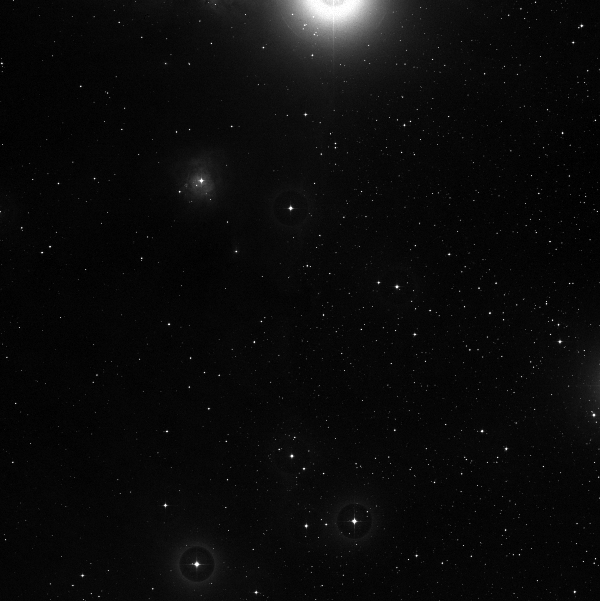
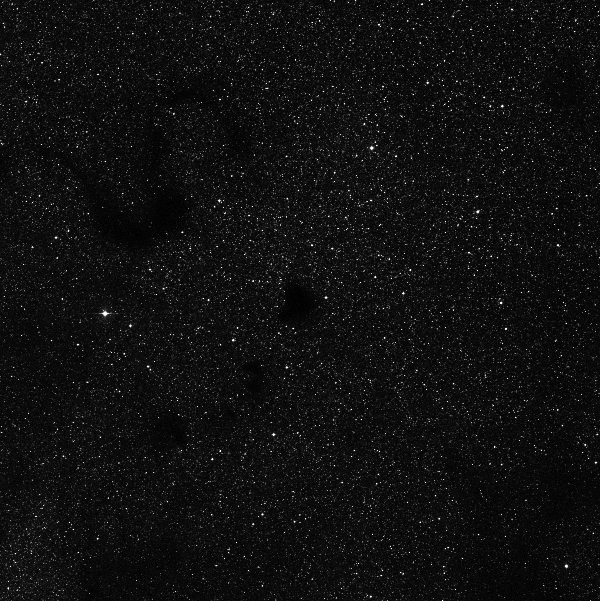
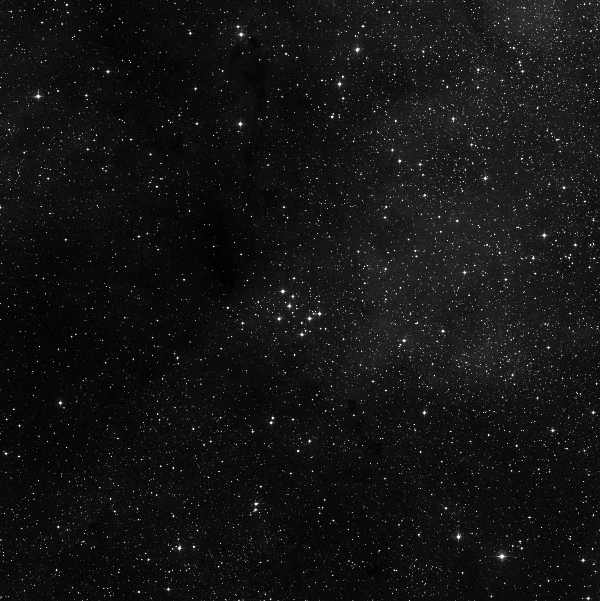
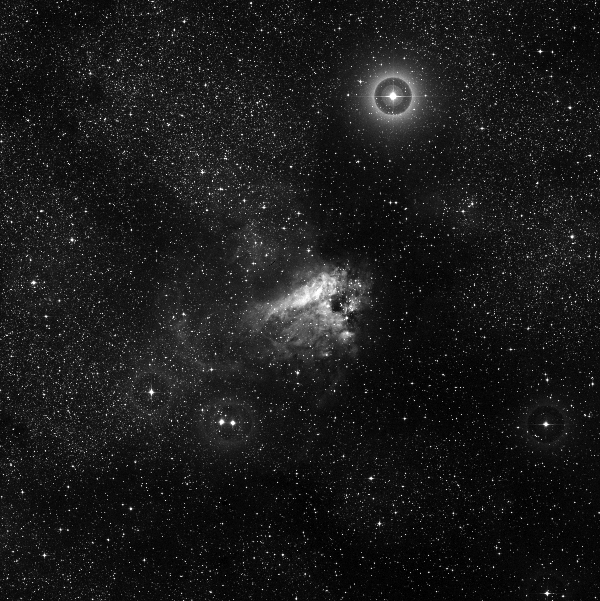
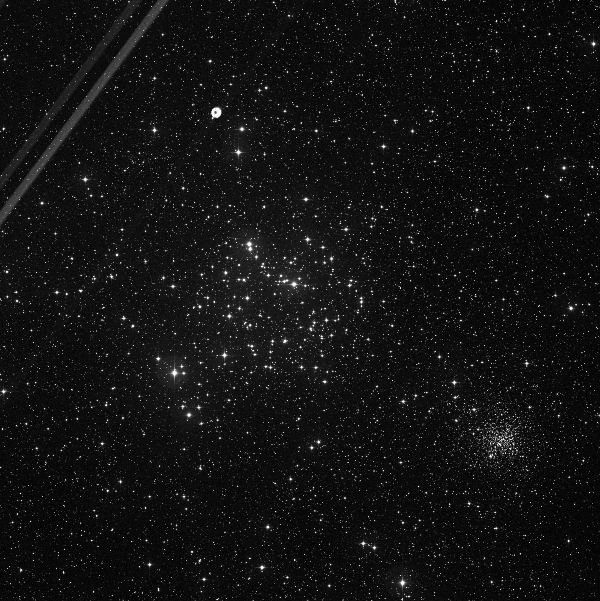
Below are the list of objects for you to find and name. The different images for a given object will help you in finding both its name and what kind of object it is. You should use various websites below to help you. The Palomar Digital Sky Survey can be actively searched to find the matches. You'll need to use other resources to determine the type of object.
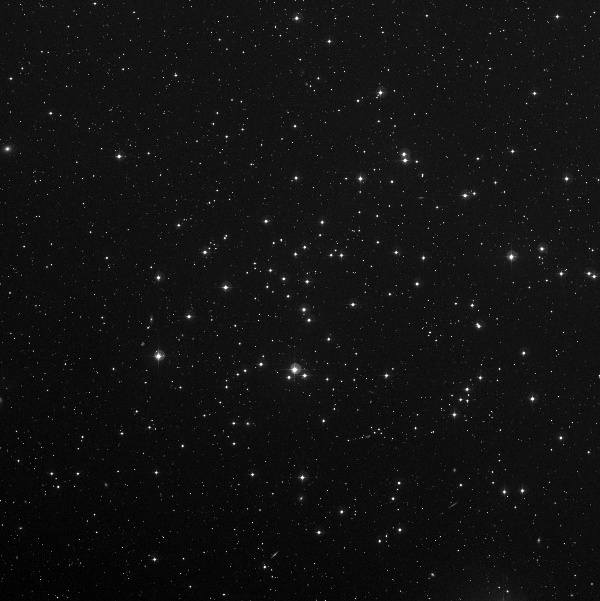
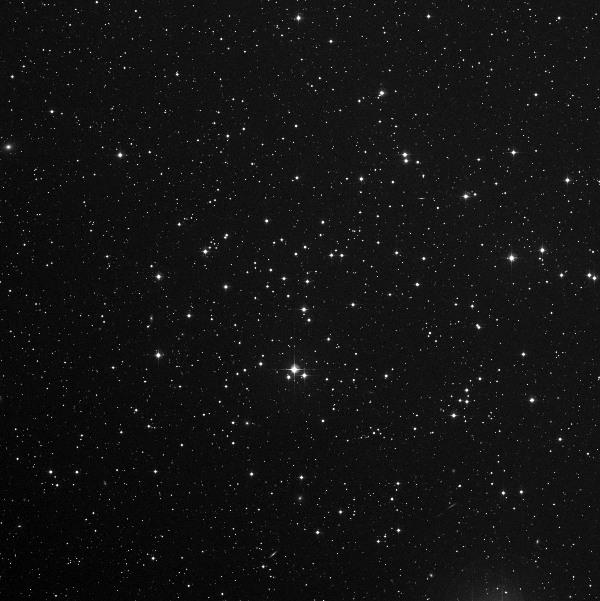
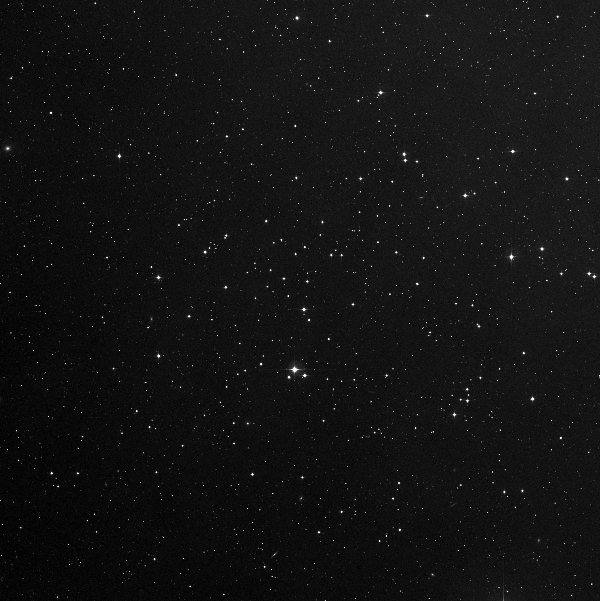
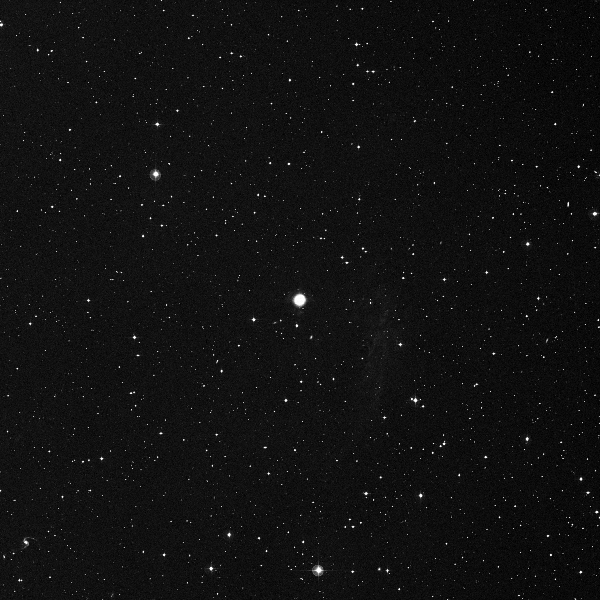
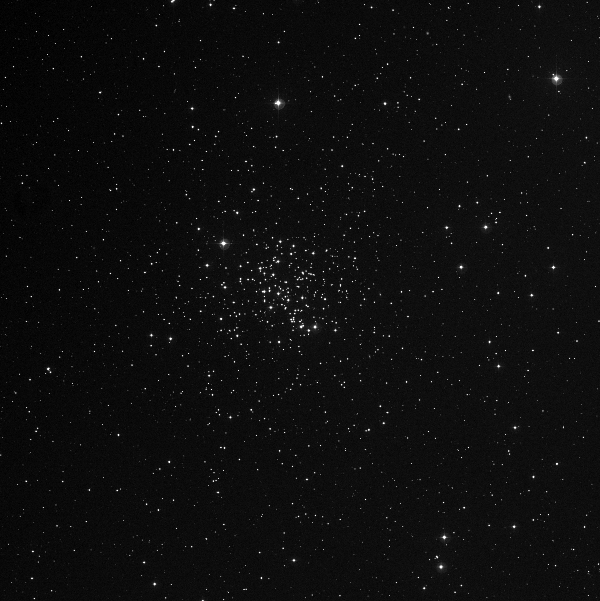
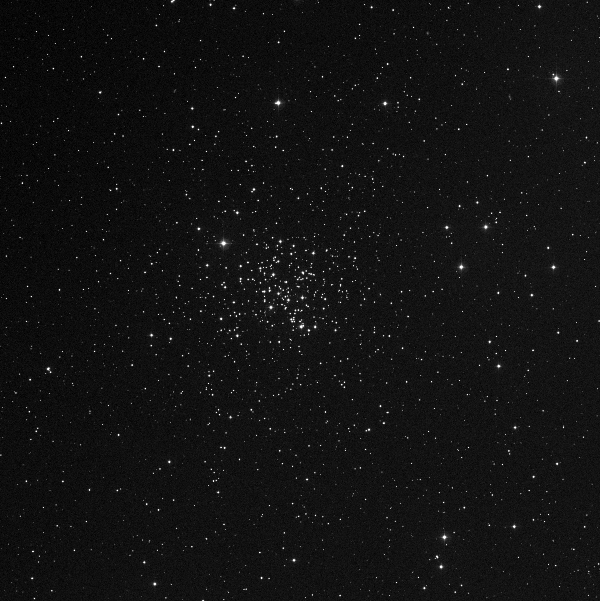
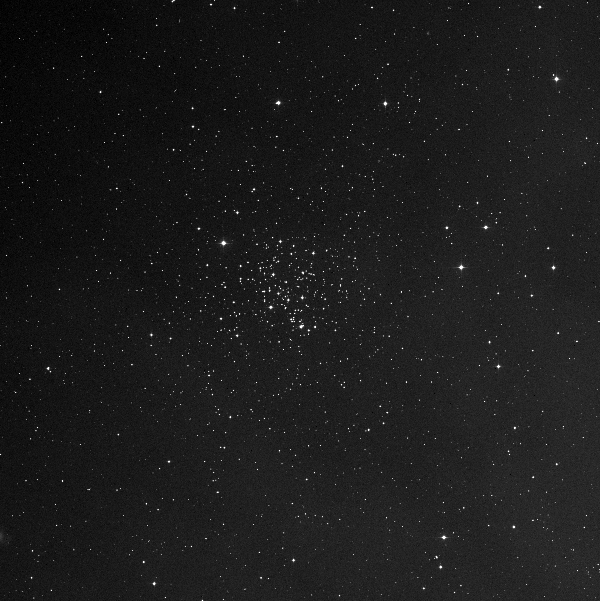
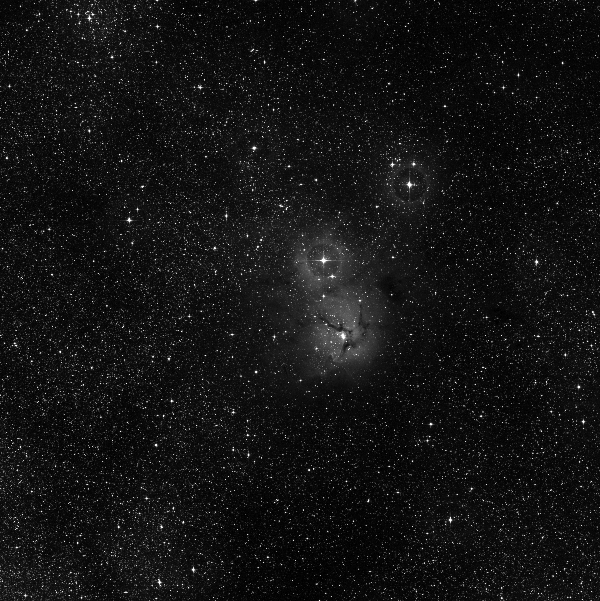
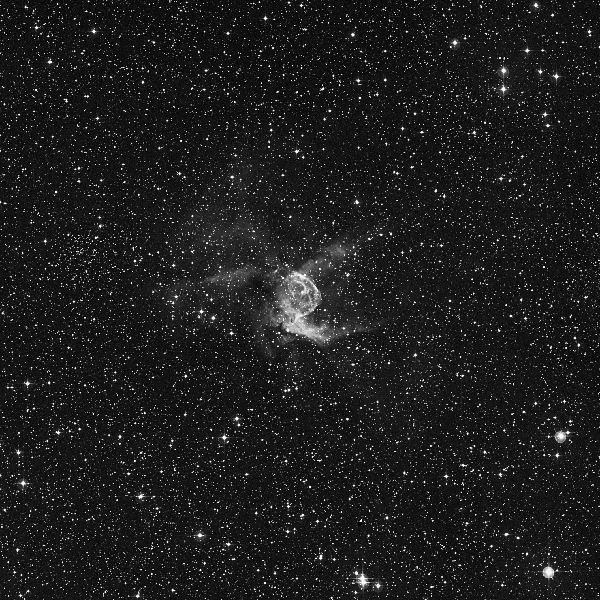
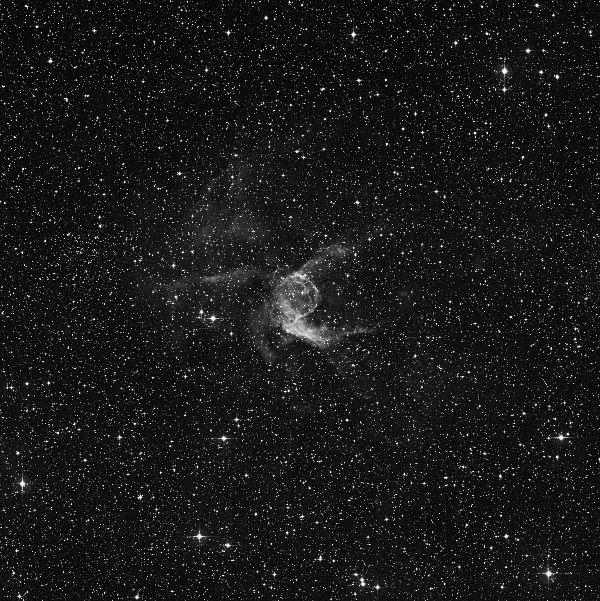
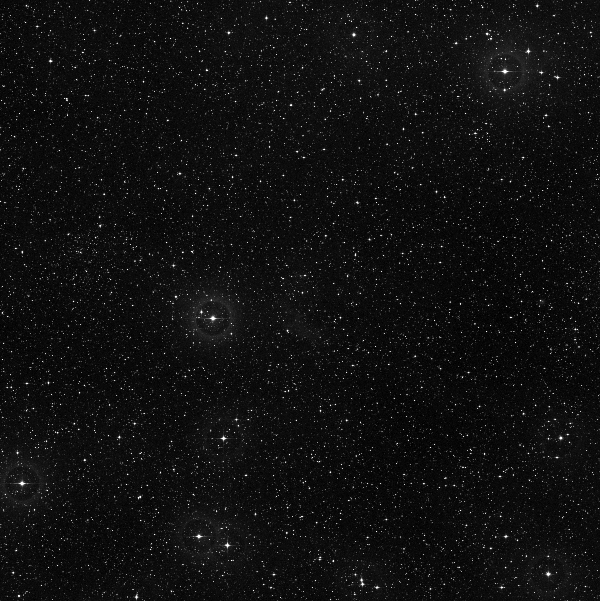
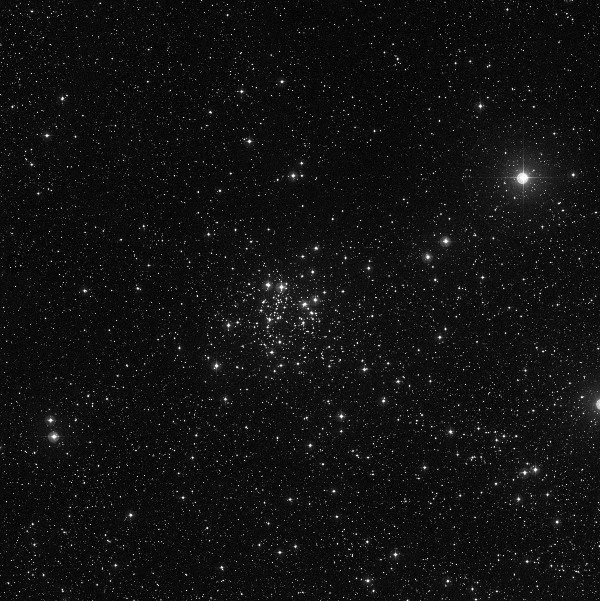
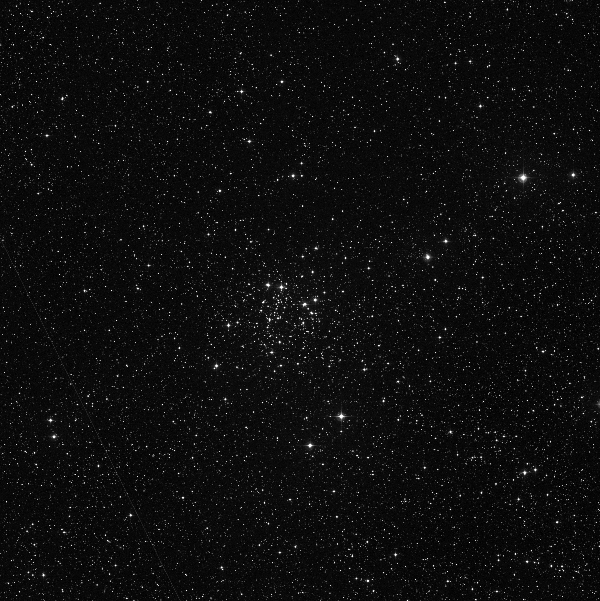
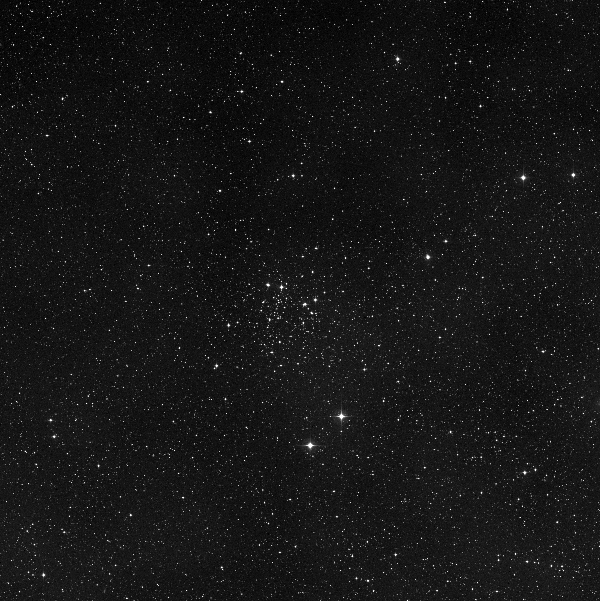
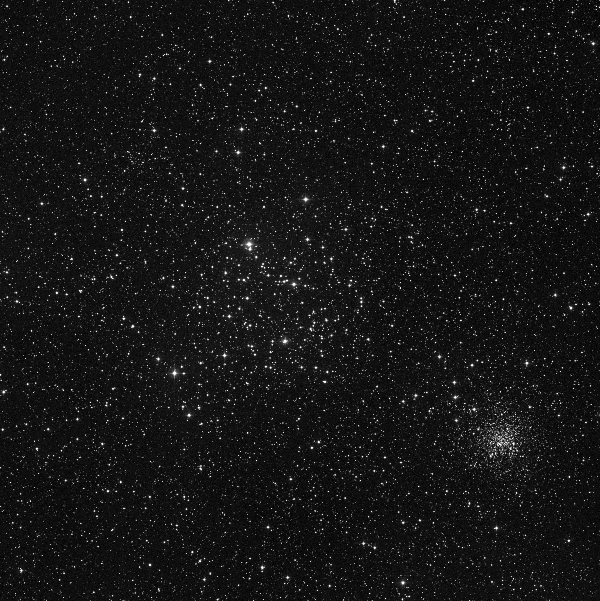
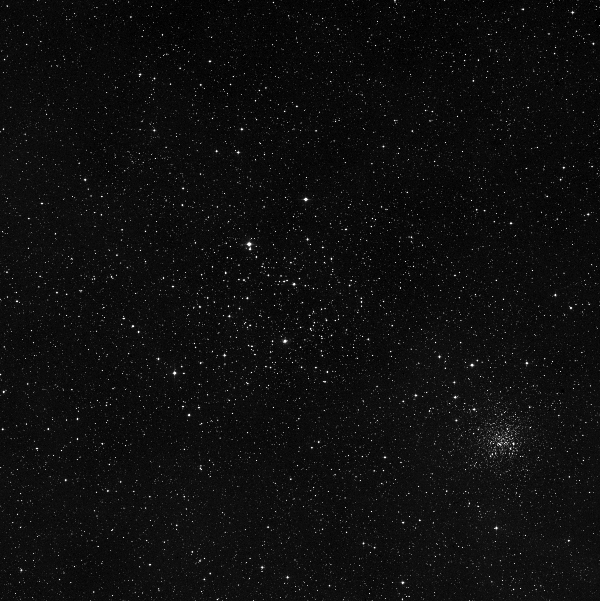
Each object was imaged with a blue filter, a red filter, and an infrared filter. All of the images below are one degree on a side. Each image is unique. It is a process of elimination to discover the type of object. You'll also notice that in some filters, the object is brighter than in others. That appearance will be a clue to the object's nature. For instance, notice that M1 is bright in all three filters, but the Pelican is distinctly not. When you compare M38's three images, one is brighter, showing the stars more clearly. Noticing these differences will be important for part 2 of this laboratory exercise.
Web Links
Do the lab first, and when you're done, and have created a Word Doc or some other typed out format, start up the test. Then, copy your answers into it as you go.
Click on an image to get it in a high-resolution format. You need to search for your objects on the Digitized Sky Survey. Go to that website, and enter the name of the object. Click "Get Coordinates", then at the bottom, choose "GIF" rather than "FITS". Also make the width equal to 60 and the height equal to 60 (arcminutes.) Choose from Red, Blue, or IR from the POSS2 survey. Then click on "Retrieve Image". Match that image with the ones below. You can also try it the hard way by matching it in Google searches. But, that takes a lot longer.
|
| |||||||||||||||||||||||||||||||||||||||||||||||||||||||||||||||||||||||||||||||||||||||||||||||||||||||||||||||||||||||||||||||||||||||||||||||||||||||||||||||||||||||||||||||||||||||||||||||||||||||||||||||||||||||||||||||||||||||||||||||||||||||||||||||||||||||||||||||||||||||||||||||||||||||||||||||||||||||||||||||||||||||||||||||||||||||||||||||||||||||||||||||||||||||||||||||||||||||||||||||||||||||||||||||||||||||||||||||||||||||||||||||||||||||||||||||||||||||||||||||||||||||||||||||||||||||||||||||||||||||||||||||||||||||||||||||||||||||||||||||||||||||||||||||||||||||||||||||||||||||||||||||||||||||||||||||||||||||||||||||||||||||||
Acknowledgements for the images used in this exercise
The Digitized Sky Survey was produced at the Space Telescope Science Institute under U.S. Government grant NAG W-2166. The images of these surveys are based on photographic data obtained using the Oschin Schmidt Telescope on Palomar Mountain and the UK Schmidt Telescope. The plates were processed into the present compressed digital form with the permission of these institutions.
The Second Palomar Observatory Sky Survey (POSS-II) was made by the California Institute of Technology with funds from the National Science Foundation, the National Aeronautics and Space Administration, the National Geographic Society, the Sloan Foundation, the Samuel Oschin Foundation, and the Eastman Kodak Corporation. The Oschin Schmidt Telescope is operated by the California Institute of Technology and Palomar Observatory.
The UK Schmidt Telescope was operated by the Royal Observatory Edinburgh, with funding from the UK Science and Engineering Research Council (later the UK Particle Physics and Astronomy Research Council ), until 1988 June, and thereafter by the Anglo-Australian Observatory. The blue plates of the southern Sky Atlas and its Equatorial Extension (together known as the SERC-J), the near-IR plates (SERC-I), as well as the Equatorial Red (ER), and the Second Epoch [red] Survey (SES) were all taken with the UK Schmidt telescope at the AAO.
All images labelled with NOAO are courtesy of National Optical Astronomy Observatory/Association of Universities for Research in Astronomy/National Science Foundation.
All images labelled with AAO copyrighted by the Australian Astronomical Observatory, with photographs by David Malin.